
Reducing a fire-protection procurement budget starts with a like-for-like cost comparison. A lower unit rate can be outweighed by excluded accessories, a second shipment or material arriving before the site can use it. Conversely, one coordinated order is not automatically the least expensive option.
This guide helps buyers compare commercial options without changing the approved fire-protection design. Any technical alternative or substitution needs the responsible designer’s acceptance before it becomes a cost-saving measure.
In this guide
- 1. Build a comparable baseline
- 2. Count the full purchase cost
- 3. Compare delivery scenarios
- 4. Test proposed savings
- 5. Request an itemized offer
1. Freeze a comparable baseline
Send every bidder the same BOQ revision, specifications, destination, documentation requirements and timing. Ask each to identify inclusions, exclusions and deviations. Separate technical review from commercial ranking so a non-matching offer is not mistaken for a saving.
- Use a consistent unit basis: pieces, metres, sets or measured/theoretical weight as agreed.
- Separate spare parts and optional accessories from the required base scope.
- Record quotation validity, currency and the named delivery place.
- Do not assume that an unquoted line will be supplied at no extra charge.
2. Build a full purchase-cost worksheet
| Cost line | What to request |
|---|---|
| Materials | Unit price × confirmed quantity, including specified connection accessories. |
| Verification | Agreed samples, inspection and documentation charges, if applicable. |
| Packing and origin handling | Export packing, consolidation, inland movement and terminal charges included or excluded. |
| Transport and destination | Freight, insurance where agreed, destination handling and final delivery priced on a stated basis. |
| Import and tax | Destination-specific estimates checked with the importer or customs broker. |
| Project timing | Storage, staged handling or urgent shipment costs for the proposed programme. |
Keep uncertain charges as allowances with an owner and review date. A useful comparison shows both the quoted subtotal and the unresolved costs, rather than presenting a falsely precise landed total.
3. Compare consolidated and staged deliveries
A combined shipment may reduce repeated handling or coordination, but it can also wait for the slowest item. Price at least two realistic scenarios where timing matters: one consolidated release, and an early shipment of installation-critical items followed by the balance. Compare the total cost and the dates each site activity can start.
4. Test each proposed saving
Specification changes
Ask the supplier to identify the exact change and its price effect. A different pipe wall, connection, model or required product approval is a technical deviation, not a routine purchasing adjustment. Keep it outside the accepted base offer until reviewed.
Order and packing changes
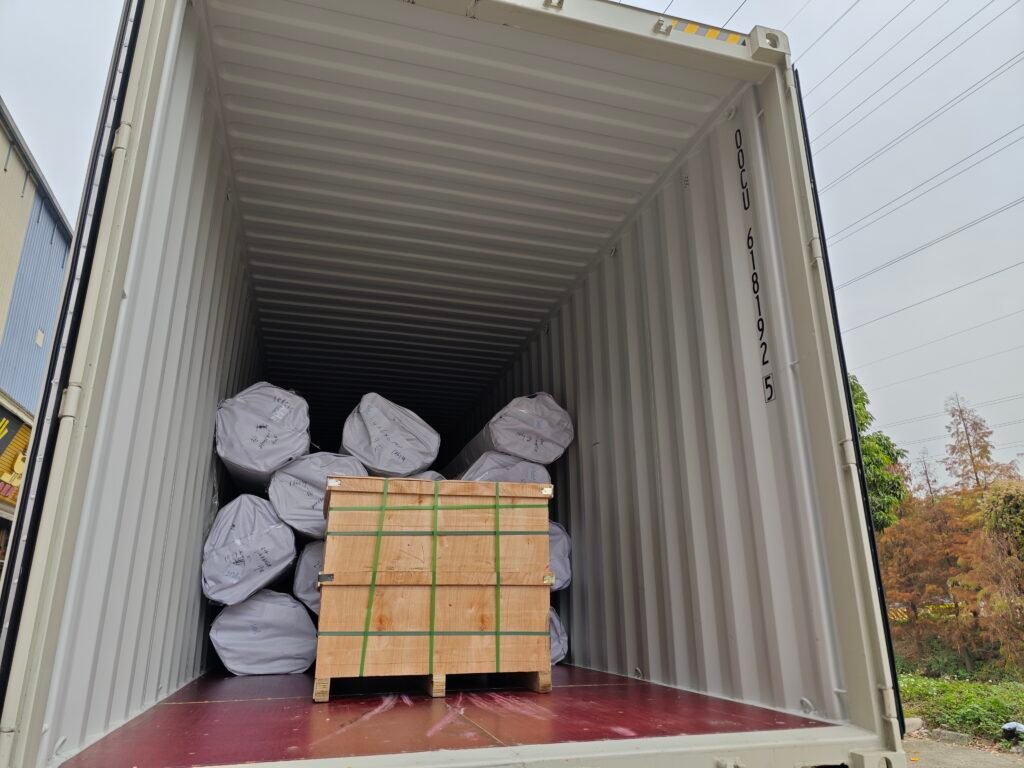
Consider whether order quantities, bundle sizes or the release sequence can be adjusted without creating unusable surplus or extra site handling. Ask who will check packing dimensions, equipment availability and the destination unloading method. Neither full-container loading nor one supplier guarantees lower total cost.
5. Ask for an itemized CanHope offer
CanHope can coordinate multi-product BOQ quotations and conditional shipment consolidation. Our project supply package is a starting point for defining scope, not a promise that every line is available or approved. Send the BOQ, technical requirements, destination and programme to info@canhopesteel.com. Ask for a base offer, separately priced options and a clear list of exclusions.
For the physical loading questions, review the mixed-container planning guide. For supply examples, see our container-loading page; images alone do not establish a saving for another order.