
Importing fire-protection materials requires two coordinated workstreams: acceptance of the proposed products and movement of the physical shipment. A technically accepted quotation does not, by itself, settle import documents, transport restrictions or destination delivery arrangements.
This is an importer’s planning checklist, not country-specific customs advice. Confirm destination requirements with the importer, appointed customs broker and responsible project team before committing to the order. Keep design and product acceptance with the project’s authorized reviewers.
In this guide
- 1. Set destination requirements
- 2. Agree the handover points
- 3. Build a document register
- 4. Confirm shipment feasibility
- 5. Prepare destination receiving
1. Check destination requirements before purchase
Give the supplier the destination country, port or delivery place, importer details and intended product use. Ask the importer or broker to confirm classification, import controls, required certificates, duties/taxes and any pre-shipment requirements for the exact goods. A document list used on a previous shipment is not automatically sufficient for a different destination.
In parallel, close the project’s product submittals: manufacturer/model, specification, required product approvals and any accepted deviations. Do not wait until the cargo is packed to discover that a proposed product is not accepted for the project.
2. Put responsibilities in the order
Use the selected Incoterms rule with a named place and edition, plus a clear scope of goods. ICC’s Incoterms introduction distinguishes transport obligations, risks and costs from goods specifications and the wider sales contract. Separately agree inspection, payment, claims, warranty and the documents each party must provide.
- Name the buyer/importer and the supplier contacts who approve document drafts.
- Identify who books transport, arranges insurance where required and coordinates customs clearance.
- Confirm who pays destination charges and final-site delivery costs.
- Agree how split shipments, schedule changes and document corrections will be handled.
3. Use an order-specific document register
| Document or record | What to reconcile |
|---|---|
| Commercial invoice | Buyer/seller details, goods descriptions, quantities, values and agreed commercial basis. |
| Packing list | Package marks, package counts, weights/dimensions and BOQ references. |
| Transport document | Consignee details, routing and shipment particulars checked with the carrier/forwarder. |
| Origin or import documents | Whether required and in which form, as confirmed for the destination. |
| Technical package | Accepted product data, agreed inspection records and required certificates tied to supplied lines. |
These are planning categories, not a declaration that every shipment needs the same documents. Assign an owner, draft deadline and approval status to each required record. Check consistency across the invoice, packing list and booking information before final issue.
4. Confirm packing and transport feasibility
Mixed loading is conditional. Provide package dimensions, weights, readiness dates and any special handling requirements to the logistics team. Ask the operator to confirm the chosen equipment and route limits. Do not assume pipes, valves and specialist suppression products can all share one standard shipment.
The IMO/ILO/UNECE CTU Code provides non-mandatory guidance for safe intermodal packing and securing. It is not evidence that a particular loading arrangement is safe. Ask qualified packing and transport personnel to review the actual cargo and plan.
For container shipments subject to the SOLAS verified gross mass requirement, the shipper must provide VGM in time for stowage planning. Agree who obtains and submits it. VGM does not replace the packing, securing or carrier-acceptance checks.
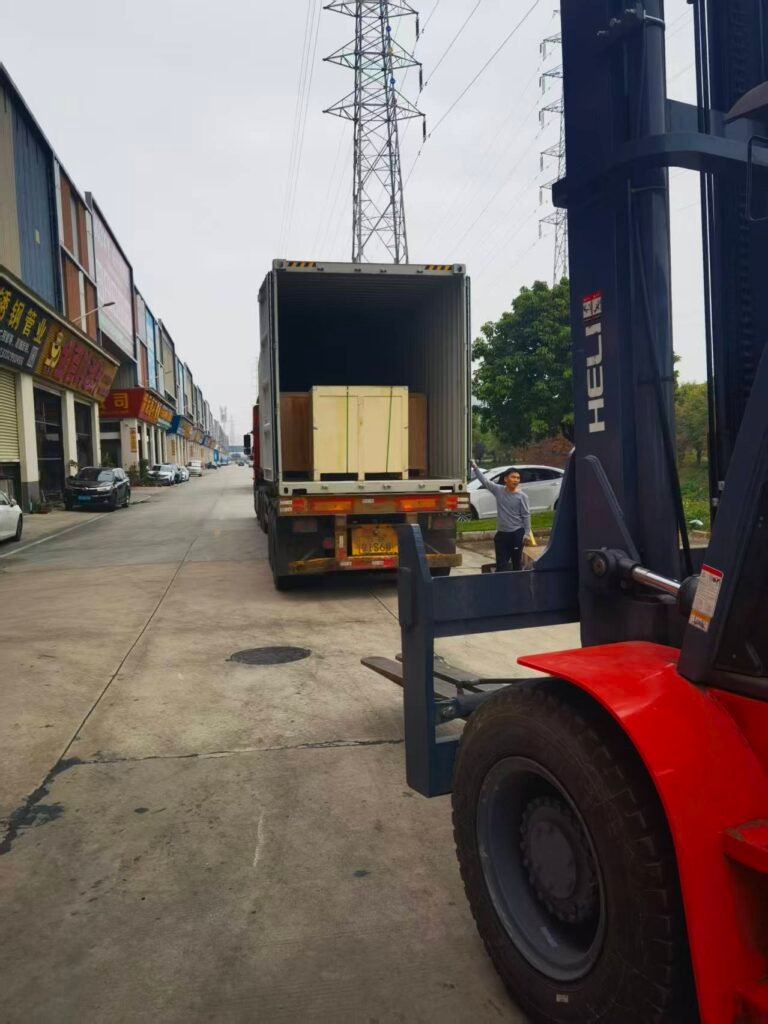
5. Prepare the destination handover
Send receiving staff the agreed package list and material references before arrival. Confirm unloading access, equipment and storage arrangements. At receipt, record package condition, quantities and identification; isolate discrepancies for review under the agreed claims procedure. Receipt is not installation or system commissioning approval.
For CanHope coordination, review the fire-protection supply package and container-loading examples. Email info@canhopesteel.com with the BOQ, destination, documentation requirements and timing. We will need order-specific confirmation before defining supply and shipment scope.