
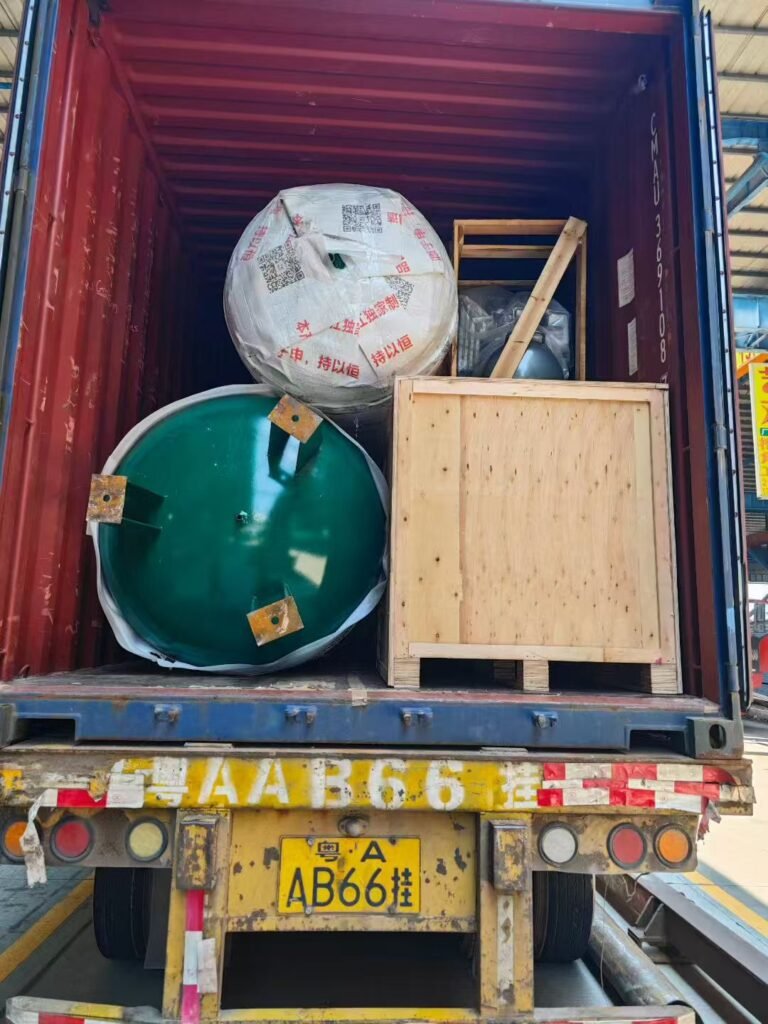
Different steel products can sometimes share one container, but feasibility depends on the actual cargo, container and transport route. A combination of pipes, sections and boxed fittings is not automatically acceptable because its total volume appears to fit.
This guide helps buyers prepare a feasibility enquiry. It is not a packing, lifting or cargo-securing design. The responsible packer and transport providers must assess the specific load and agree the handling arrangements.
In this guide
- 1. Prepare the cargo data
- 2. Check the main constraints
- 3. Confirm mass and capacity
- 4. Compare the shipment options
- 5. Request a loading review
1. Prepare the cargo data
Send a line-item packing schedule rather than only the sales BOQ. Include the packed length, width and height; package count; gross mass of each package; finish; handling needs; and delivery priority. Distinguish estimated figures from measured or supplier-confirmed figures.
Identify unusually long, heavy, fragile or irregular items early. A small fittings carton and a dense steel bundle need different handling considerations. Do not assume that another shipment photograph provides a suitable arrangement for your order.
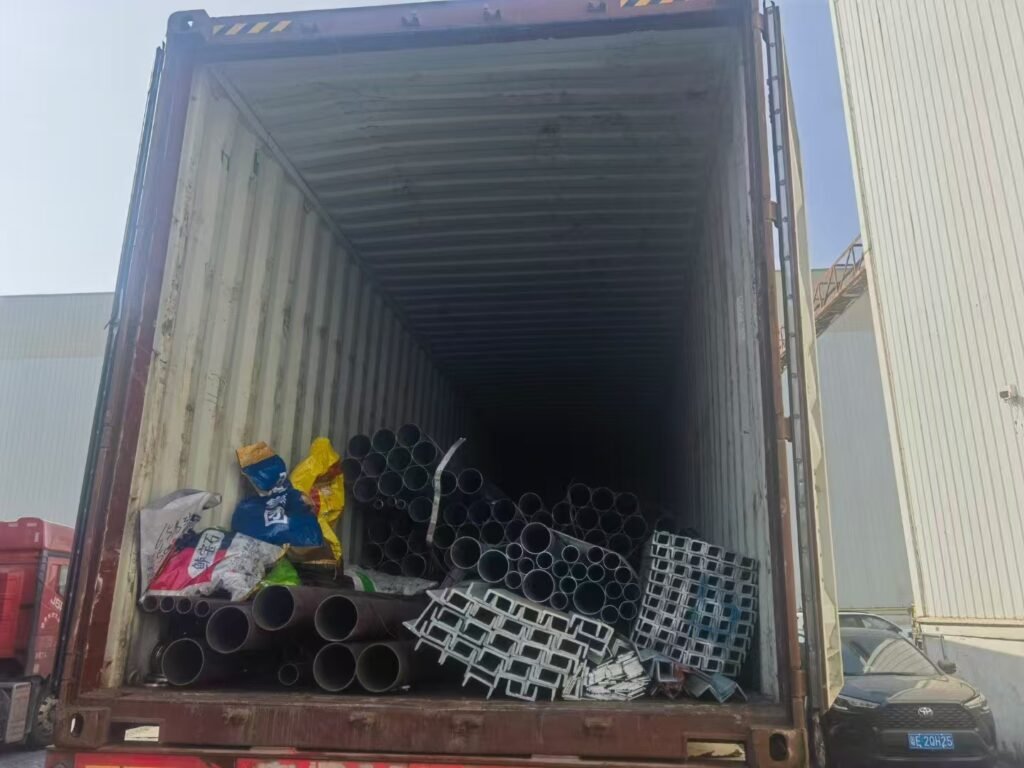
2. Check the main constraints
| Feasibility check | Question for the packer or transport provider |
|---|---|
| Dimensions and access | Can the packed goods pass through the actual door opening and be positioned using the planned equipment? |
| Mass and route | Does the complete load meet the unit, carrier and inland transport limits? |
| Floor loading | Are concentrated loads, supports and overall mass distribution acceptable for this container? |
| Cargo compatibility | Can finishes and vulnerable packages be protected without creating an unsuitable load arrangement? |
| Securing and unloading | Can goods be secured appropriately and then accessed and unloaded at the destination? |
| Readiness | Will every item be ready for the agreed shipment, or would consolidation delay priority materials? |
The CTU Code’s container guidance distinguishes maximum gross mass, tare and payload, and explains that floor capacity assumes distributed loading with limits on concentrated loads. Total cargo mass alone is therefore not a complete feasibility check.
The CTU Code’s securing guidance calls for heavy or irregular packages to be assessed and secured against movement. The correct supports and securing depend on the cargo and transport conditions. “Heavy goods at the bottom” is not a sufficient loading instruction.
3. Confirm mass and capacity
There is no universal steel tonnage per container
Use the actual container’s markings and equipment details, then confirm the carrier and route restrictions. The CTU Code planning guidance says to respect both unit payload and applicable road or rail limits. Packing, dunnage and securing materials also consume payload; do not allocate all of it to saleable steel.
Verified gross mass is a separate requirement
For container shipments subject to the SOLAS requirement described in IMO’s verified gross mass guidance, the shipper must provide VGM in time for vessel stowage planning. The permitted approaches weigh the packed container or use an approved certified calculation including cargo, packing, securing materials and container tare. VGM is a prerequisite for loading, not a guarantee of carrier acceptance.
4. Compare the shipment options
Ask for a comparison of consolidated and separate shipments using the same destination and delivery basis. Include collection from different suppliers, storage while waiting for late items, export packing, loading, freight, destination handling and unloading arrangements. Identify which charges are included, estimated or excluded.
Consolidation may reduce duplicated movements, but it can also introduce waiting or handling costs. Compare the total quoted scope and the effect on the construction schedule rather than assuming one container is always cheaper. Consider a separate shipment for urgent or incompatible items.
5. Request a loading review
CanHopeSteel can review conditional mixed loading alongside project material coordination. See our container-loading examples for existing photographs, not promised capacities, destinations or repeatable loading designs.
Email the packing schedule, destination, required shipment timing and unloading constraints to info@canhopesteel.com. Ask for the proposed equipment, cargo exclusions, cost basis and matters requiring the packer’s or carrier’s confirmation before the shipment is booked.