
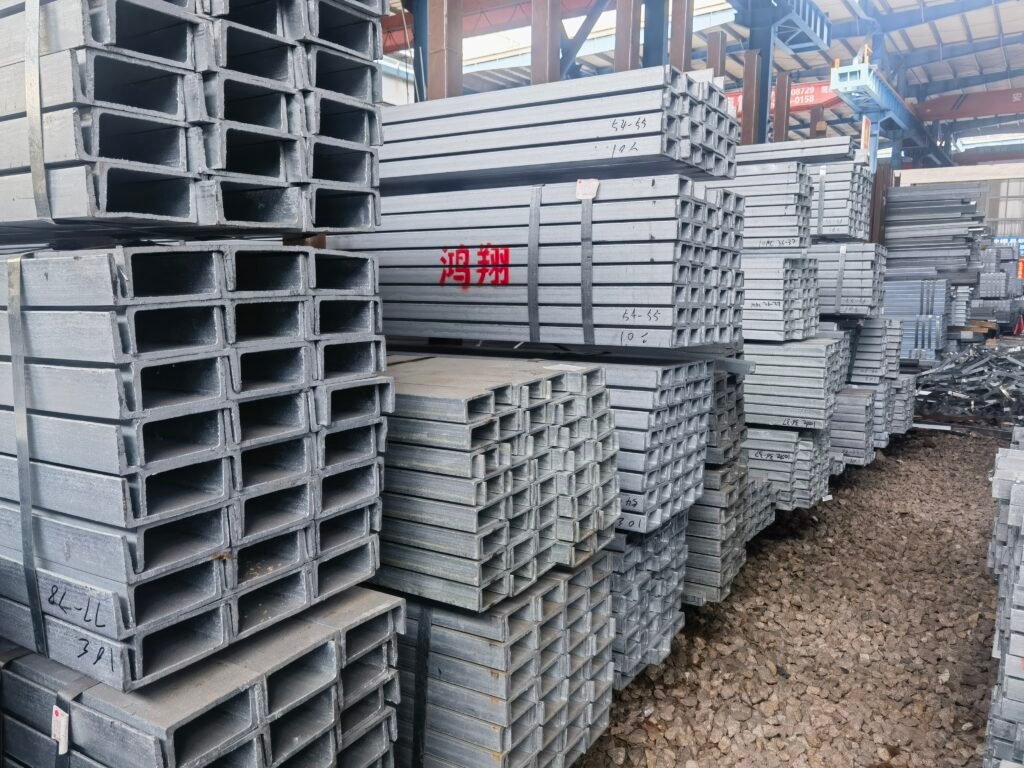
A useful steel checklist connects every purchase to the project’s approved drawings and specifications. Product names alone do not define what can be ordered: the material grade, dimensions, quantity, finish and required evidence must be clear for each line.
Use this guide to prepare a bill of materials (BOM) or bill of quantities (BOQ) for review by the responsible engineer. It is a procurement aid, not a structural design, fire-system design or approved project takeoff.
In this guide
- 1. Establish the approved basis
- 2. Complete the item schedule
- 3. Review interfaces and processing
- 4. Check before purchasing
- 5. Send a scoped enquiry
1. Establish the approved basis
Record the project, discipline, drawing numbers, revision dates and specification edition. Separate structural members, piping, sheet products and accessories so requirements are not copied between unrelated applications. List unresolved questions separately and assign them to the designer rather than filling gaps with supplier assumptions.
For structural work, AISC’s Code of Standard Practice, Section 3 illustrates the information expected in design documents, including member sizes, grades and geometry. Use the codes and editions adopted for your project; this reference does not make AISC requirements universal.
2. Complete the item schedule
Give every distinct size, grade and finish its own item reference. Use the following fields alongside quantities and units; this table is not a recommended material specification.
| Material group | Details to obtain from the approved documents |
|---|---|
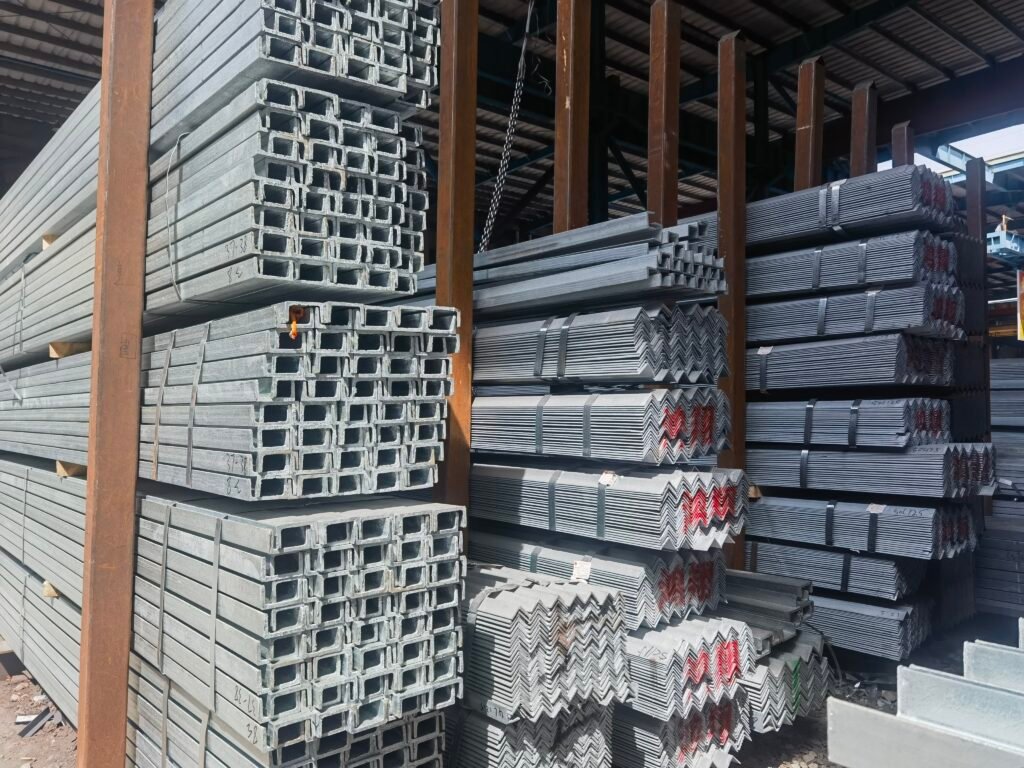
| Structural sections | Section designation, dimensions, material standard and grade, cut length, piece count and member mark. |
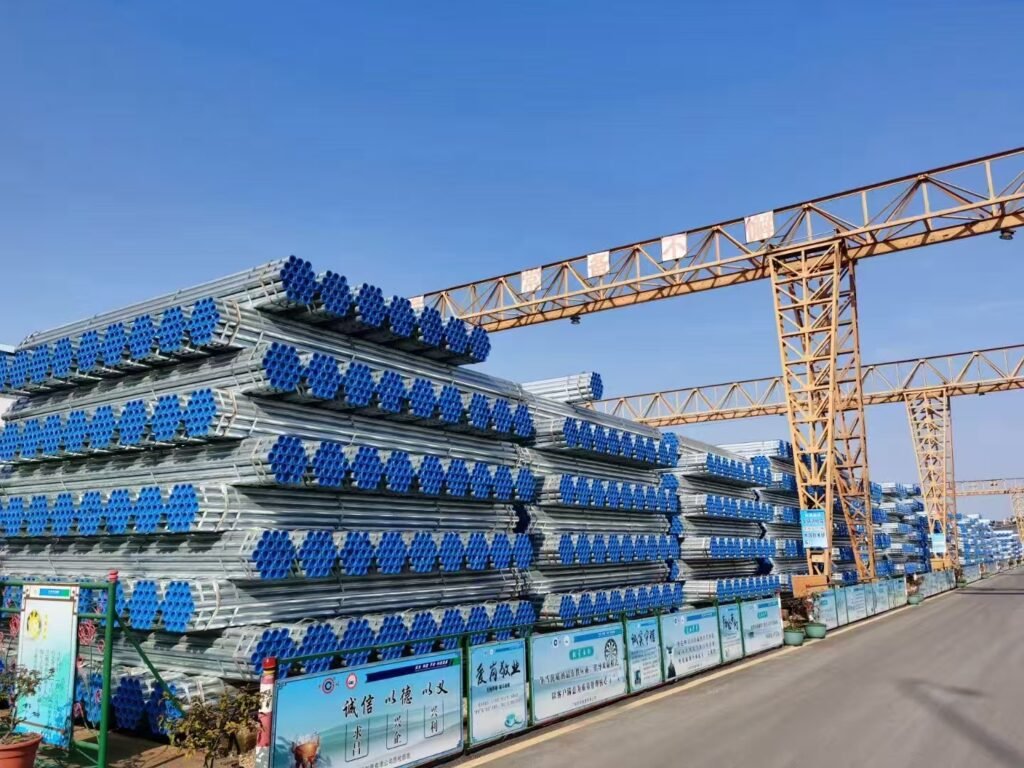
| Pipes and tubes | Standard and grade, nominal size and actual outside dimensions, wall thickness, length, end preparation and finish. |
| Sheets and coils | Grade, thickness, width, sheet length or coil requirements, coating specification and quantity basis. |
| Fittings and valves | Type, exact model where specified, all connection sizes, pressure/service requirements and required approvals. |
| Fasteners and fabricated parts | Item or drawing reference, grade, dimensions, finish, mating components and agreed inspection requirements. |
Keep nominal size, wall thickness and material grade in separate fields. For example, the ASTM A53/A53M scope identifies different pipe types and grades and distinguishes nominal from actual wall thickness. A standard number or “galvanized pipe” description alone is not a complete order.
3. Review interfaces and processing
Connections and system boundaries
Check the pipe, fitting, valve and equipment interfaces together. Record specified threads, flanges or groove systems, including each branch size. Ask the responsible designer to resolve substitutions, mismatched dimensions and missing accessories before purchase. Product photographs cannot establish compatibility or approval.
Fabrication details
For cutting, drilling, welding or bending, attach the relevant approved fabrication drawings. Identify tolerances, hole locations, finish requirements and inspection stages. Confirm which operations the supplier has actually included. Do not assume a material quotation includes fabrication or engineering design.
4. Check before purchasing
- Reconcile quantities to the latest approved revision and state whether they are pieces, metres, kilograms or metric tonnes.
- Show any spare or cutting allowance separately, with the project team’s approval.
- Agree the required material reports, product submittals, inspection records and item-identification method.
- Mark each line as approved, awaiting clarification or excluded. Keep unapproved alternatives separate.
- Check packing labels, package references, destination handling and required delivery sequence against the purchasing schedule.
Keep a change log after quotation. If a drawing revision changes a length, quantity or connection, obtain a revised offer and technical acceptance before releasing that line. A supplier’s quotation does not replace the project’s approval process.
5. Send a scoped enquiry
CanHopeSteel combines its galvanized-pipe manufacturing with project BOQ coordination and selected fabrication support. Supply scope, processing capability and mixed-loading feasibility must be confirmed for the actual order, not assumed for every material in the checklist.
For piping packages, review grooved fittings and valves as separate specified items. Email your BOM, drawings, quantities and destination to info@canhopesteel.com, identifying any points still awaiting engineering review.