
Buying steel pipes for a construction project? Check the acceptance requirements before comparing price. Coating damage, deformation and incorrect dimensions can create installation difficulties, replacement costs and delays.
The purchase specification and records for the supplied material remain the basis for acceptance.
In this guide
- 1. Three quality concerns to check
- 2. Agree acceptance before ordering
- 3. Buyer acceptance checklist
- 4. What to do when something does not match
- 5. Prepare a clearer enquiry
1. Three steel pipe quality concerns to check
Zinc coating peeling or other coating damage
Loose coating, exposed areas or handling damage should be recorded and reviewed against the specified coating requirements. Do not decide acceptance from surface colour alone, and do not assume every appearance variation means the same defect.
The American Galvanizers Association’s inspection guidance distinguishes coating thickness, adherence, appearance and finish. Its finish guidance also explains that a surface condition must be assessed against the applicable requirements and intended use. Apply the correct pipe/coating specification rather than borrowing an acceptance limit from an unrelated product.
Deformed pipes or damaged ends
Bends, dents, out-of-round ends and damaged connections may affect fit-up or intended use. Check straightness, roundness and end condition against the ordered standard and connection requirements. A visual check is useful for screening, but the acceptance decision may require measurements and technical review.
Incorrect outside diameter or wall thickness
Nominal size is not a measured outside diameter. Verify the specified OD, wall thickness and length, with their applicable tolerances. Include the connection dimensions for threaded, grooved or flanged ends. Confirm the measurement locations and method rather than relying on one photograph or an unrecorded gauge reading.
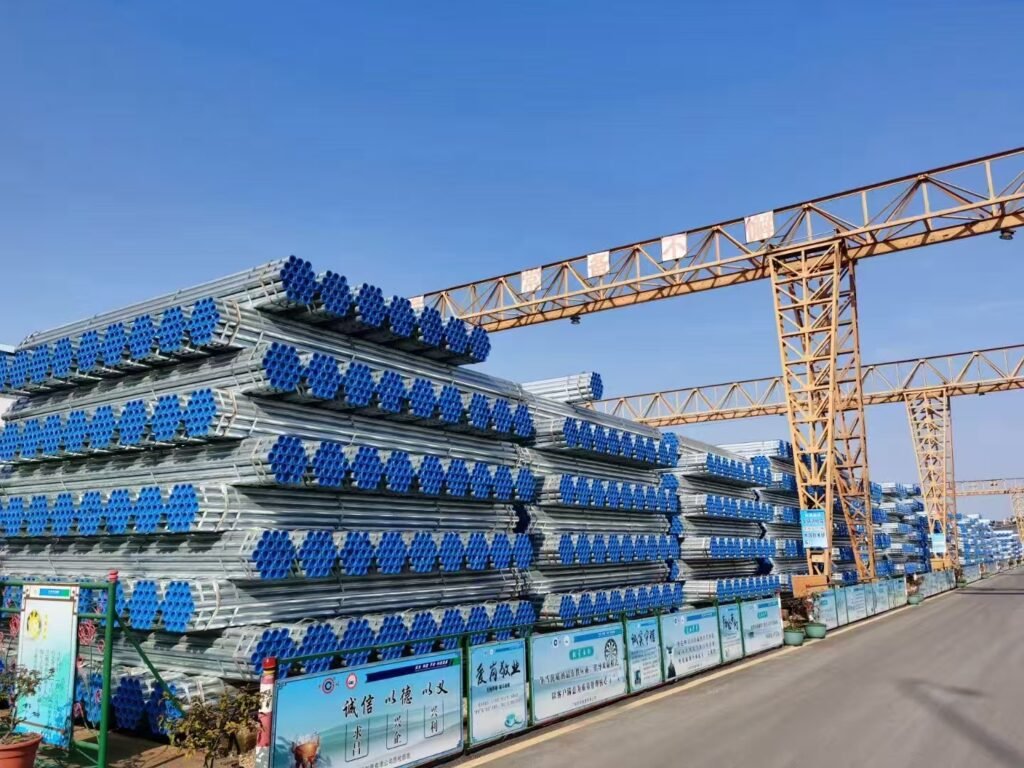
2. Agree acceptance before ordering
A clear purchase specification makes problems easier to identify and resolve. Put the required standard and edition, grade, dimensions, finish, end preparation, quantities and documents in the order. Agree any sampling plan, witness points and release responsibilities before production or shipment.
Use the standard that applies to the actual product and service. For example, ASTM A53/A53M identifies a range of welded and seamless pipe types, while ASTM A795/A795M has a fire-protection scope. Neither a general article nor a standard number alone proves that delivered material conforms.
3. Buyer acceptance checklist
| Check | Evidence to request or record |
|---|---|
| Order identification | Purchase-order line, agreed standard/edition, grade, dimensions, finish and any approved deviations. |
| Material traceability | Manufacturer and heat/lot or other agreed identifiers that connect the material to its supporting documents. |
| Dimensions | Recorded OD, wall thickness, length and required end dimensions, compared with the applicable limits. |
| Condition and finish | Dated photographs and relevant coating measurements; note dents, damaged ends, loose coating or packing damage. |
| Tests and documents | The specified material certificate, inspection report and test records, with their scope and acceptance result. |
| Quantity and packing | Piece and bundle counts, labels, lengths, end protection and packing-list reconciliation. |
| Release and receipt | Named review responsibility, disposition of open issues, and receiving checks after transport. |
Ask who performed each check, which material it covered and whether any exceptions remain open. Record the inspection scope and sampling coverage, then confirm that outstanding issues have been resolved before authorizing release.
4. What to do when something does not match
- Record the affected bundle/piece identifiers, measurements and photographs while retaining the original packing information.
- Separate questionable items from accepted stock and avoid using them until the responsible reviewer gives a disposition.
- Ask the supplier to explain the discrepancy against the order and applicable standard.
- Document any agreed replacement, permitted repair, concession or additional inspection before release.
- Check the condition again on receipt because transport and handling can introduce damage after a pre-shipment check.
Do not carry out an improvised pressure test, force an incompatible connection or make an unapproved repair to demonstrate that a pipe is usable. Testing and corrective work need the relevant procedure and qualified personnel.
5. Prepare a clearer enquiry
Send the product specification, quantity, intended application, connection details, delivery requirement and required acceptance documents to info@canhopesteel.com. For a fire-system order, include the approved BOQ and any required product-specific listing or approval evidence; our fire-protection materials overview lists the supply categories.
Clear specifications and documented checks help buyers plan with fewer unknowns. Agree the inspection scope, material availability, corrective-action responsibilities and delivery plan for the actual order.