
A building’s fire-protection strategy may involve several different systems, each with its own purpose, equipment and acceptance requirements. Product buyers need to recognize those categories without assuming that a building label such as “warehouse” or “server room” determines the right solution.
The responsible designer must establish the required protection based on the actual building, hazards, occupancy, local rules and approved design. This guide organizes purchasing questions; it does not recommend a system, agent, configuration or coverage for a particular space.
In this guide
- 1. Automatic sprinkler systems
- 2. Fire alarm and signaling
- 3. Specialist extinguishing systems
- 4. Hose systems and extinguishers
- 5. Coordinate interfaces
1. Automatic sprinkler systems
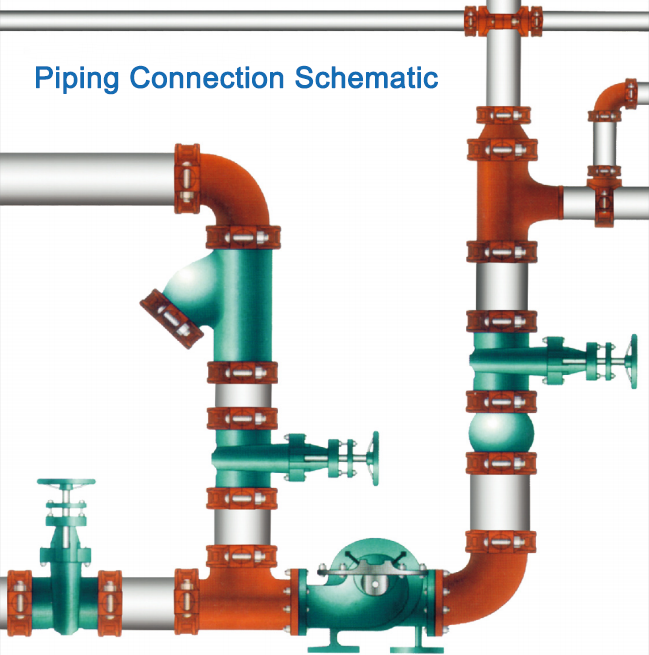
Keep the sprinkler package tied to the approved design and equipment schedule. A procurement description should identify the specified system and its accepted products rather than assume that any pipe, valve or sprinkler can be combined.
- Obtain approved pipe, fitting, valve and sprinkler schedules.
- Confirm who supplies associated assemblies, supports and monitoring interfaces.
- Refer model changes and substitutions to the responsible designer.
2. Fire alarm and signaling systems
Alarm and signaling requirements belong in their own controlled package. The responsible designer must identify which alarm and signaling provisions apply to the project, including the locally adopted requirements and amendments.
For purchasing, request the approved panel/device schedules, interface requirements and responsibility split for supply, installation, programming and testing. Do not treat an alarm panel as an unspecified accessory to a mechanical pipe order.
3. Specialist extinguishing systems
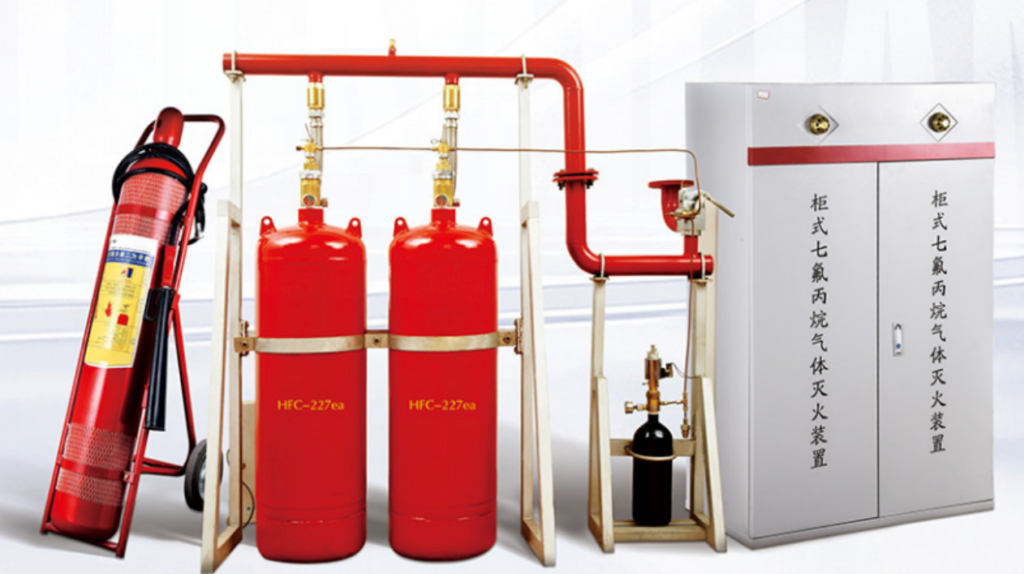
Gaseous and other specialist extinguishing systems require a defined design basis and manufacturer-specific system documentation. Clean-agent and carbon-dioxide systems must not be presented as interchangeable products or recommended simply because a room contains electrical equipment.
Ask the designer to specify the required system and acceptance criteria, including personnel-safety and interface requirements. Procurement should follow that approved package, not attempt to determine agent quantity, cylinder configuration or discharge design from a general article.
CanHope has domestic HFC-227ea manufacturing capability, but overseas qualifications are not confirmed. A foreign project requires separate review of target-market acceptance and export documentation before any supply commitment.
4. Hose systems and portable extinguishers
Hose and standpipe equipment must follow the approved design, intended users and project requirements. Do not assume hose equipment is suitable for untrained occupants or is interchangeable with another required system.
Portable extinguisher type, placement and quantity belong to the applicable project requirements and competent review, not a generic shopping list. Follow the building’s emergency procedures rather than using this procurement guide as firefighting instruction.
5. Coordinate interfaces before ordering
| Question | Responsible record |
|---|---|
| Which systems are required? | Approved fire strategy and design. |
| Which exact products are accepted? | Equipment schedules and accepted submittals. |
| Who supplies each interface? | Scope/responsibility matrix. |
| Who installs, tests and maintains them? | Project contracts and local service arrangements. |
CanHope’s fire-protection supply package supports material coordination within an agreed scope. Send designer-approved requirements to info@canhopesteel.com. A coordinated quotation is not certification of the overall building system or a substitute for local design, installation and commissioning responsibilities.