
Choose a fire-protection materials supplier against the actual package you need to buy. A capable pipe manufacturer may still need partners for valves or specialist systems; a broad catalogue does not show that every proposed item meets the project specification.
The following qualification process separates product acceptance, supply capability and commercial service. It is intended for procurement teams working from designer-approved requirements, not for selecting a fire-protection design.
In this guide
- 1. Define the supplier’s role
- 2. Review product evidence
- 3. Use an evidence-based scorecard
- 4. Test a representative enquiry
- 5. Understand CanHope’s scope
1. Establish who does what
Ask which categories the supplier manufactures, which it sources and which services depend on subcontractors. Identify the proposed manufacturer or brand for each line. Allocate quotation coordination, technical submittals, inspection, packing, transport and after-sales response to named parties.
One commercial contact can help organize a package, but it does not replace the manufacturers’ technical documentation or the project’s approval process. Check separately whether local installation, commissioning, maintenance or training is included. Do not assume these services come with export material supply.
2. Verify evidence at product level
Where the project requires certification, request the exact manufacturer, product model, covered size range and relevant directory record. Review UL Listing in UL Product iQ and FM Approval in the FM Approval Guide where applicable. The requirement itself must come from the project and destination, not a generic list of logos.
Compare the document to the proposed product and identify any limitation or mismatch for the designer. A supplier’s management-system certificate is not a substitute for product-specific acceptance. Keep approval status as “not yet confirmed” until the required evidence is reviewed.
3. Use an evidence-based scorecard
| Assessment area | Evidence to request | Decision |
|---|---|---|
| Technical fit | Line-by-line model/specification response and declared deviations. | Accept, clarify or reject each deviation. |
| Supply responsibility | Manufacturer/source list and current order-specific availability. | Identify uncovered or dependent categories. |
| Quality control | Proposed inspection points and records linked to supplied lots. | Agree acceptance checks before order. |
| Delivery planning | Dated readiness plan, packing proposal and shipment assumptions. | Check against installation sequence. |
| Commercial clarity | Itemized prices, delivery term, exclusions, warranty and claim process. | Compare equivalent obligations. |
4. Test the response with a representative BOQ
Before awarding a large package, send a small but representative set of difficult lines: a reducing fitting, a valve with accessories, a pipe specification and a documentation requirement. Evaluate whether the supplier asks precise questions, identifies missing information and clearly marks deviations. Speed alone is not the test.
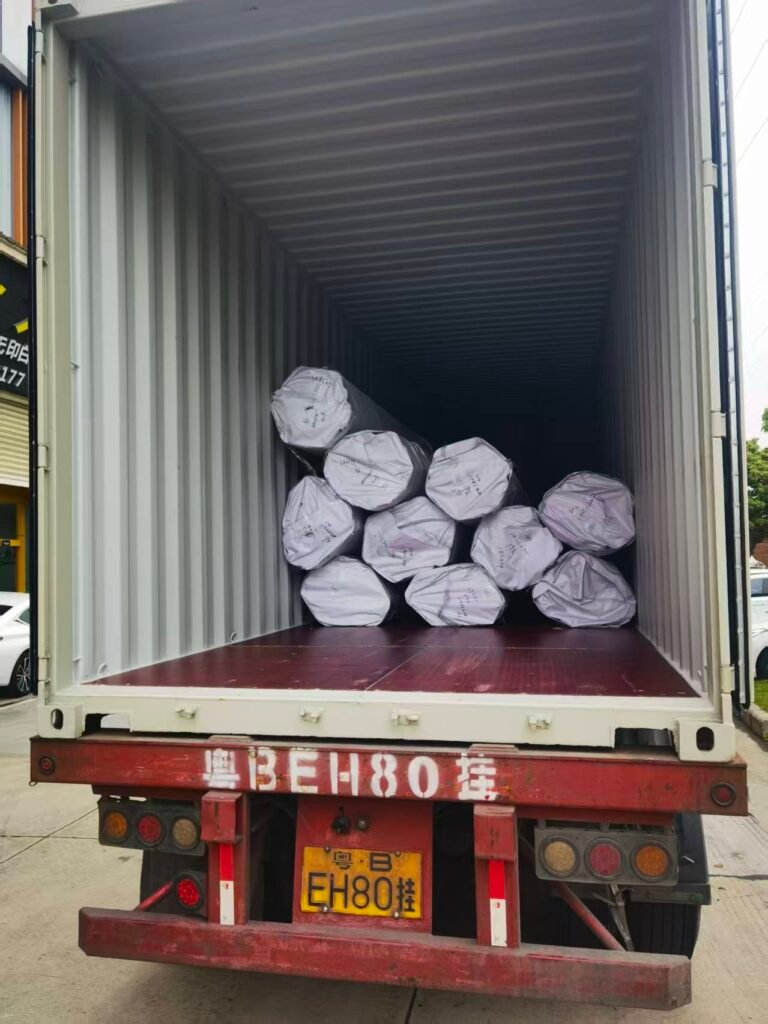
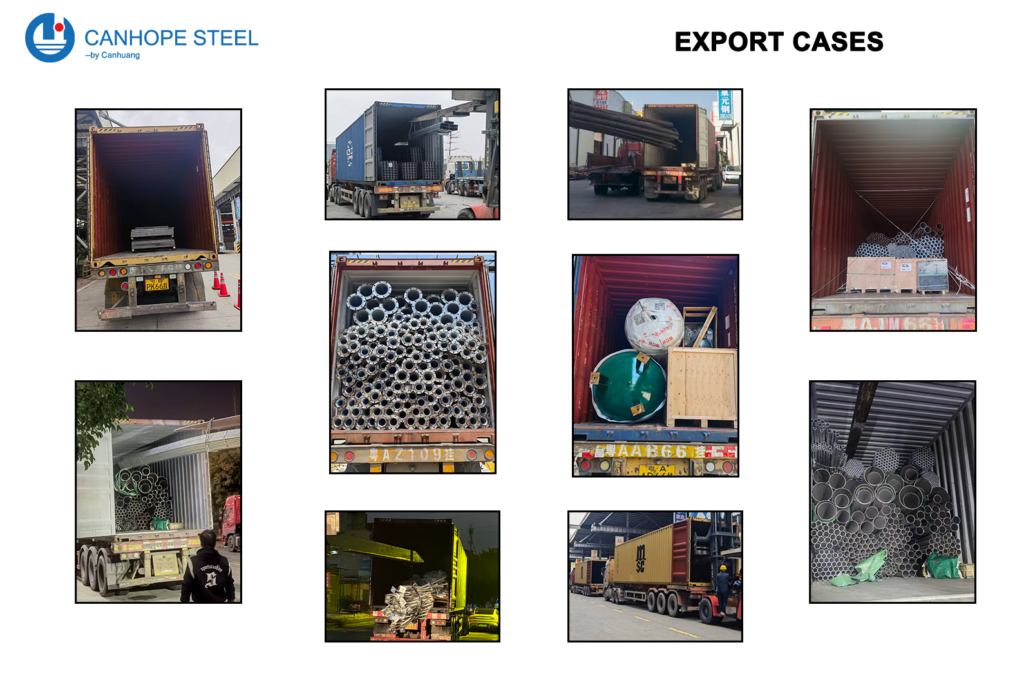
For references, ask for relevant and shareable project or shipment evidence. Photos may show materials or packing; they do not establish an undisclosed customer’s satisfaction, a project’s completion or on-time performance. Request permission-cleared references rather than treating anonymous claims as proof.
5. Where CanHope fits
CanHope combines its own galvanized-pipe manufacturing with sourcing and BOQ coordination for related fire-protection materials. Some fitting options may have UL Listing and/or FM Approval, subject to the exact model; valve approval options are not confirmed and must not be assumed.
Review the fire-protection supply package, galvanized pipe range and grooved fittings range. Send your BOQ and qualification questions to info@canhopesteel.com so the response can distinguish confirmed items, proposed alternatives and open requirements.