
GI pipe and galvanized pipe are often used for the same type of product in purchasing conversations. GI is shorthand for “galvanized iron”, while many products sold under that name are galvanized steel tube. The wording by itself does not tell you the grade, wall thickness, coating process or pressure suitability.
When two quotations use different names, compare their specifications before assuming they describe different-quality pipes. A clear material description is more useful than choosing one name over the other.
In this guide
- 1. What galvanized means
- 2. Compare the right specifications
- 3. Match the project
- 4. Service life
- 5. Legacy specifications
- 6. Enquiry checklist
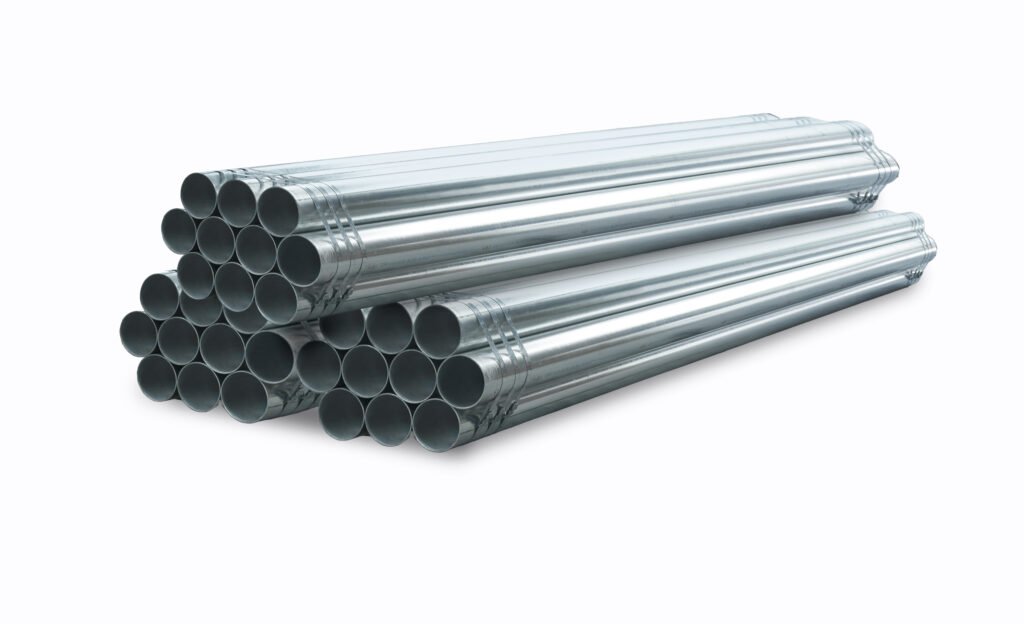
What does “galvanized” tell a buyer?
Galvanized steel has a zinc coating used for corrosion protection. However, a galvanized finish does not define one manufacturing route or one coating thickness. Ask whether the pipe is galvanized after fabrication or made from previously galvanized strip, and confirm the coating specification.
The American Galvanizers Association’s process comparison distinguishes continuous coating before fabrication from batch coating of a fabricated article. Both can be hot-dip processes, so “hot dip” alone is not enough to settle what a supplier is offering.
GI pipe versus galvanized pipe: compare the right fields
| Quotation field | Why it matters |
|---|---|
| Material standard and grade | Establishes the actual specified tube, not just a trade name. |
| OD and wall thickness | Determines the dimensions that must match the design and fittings. |
| Coating route and requirement | Distinguishes the process and required protection on the finished product. |
| End treatment | Identifies plain, threaded, grooved or other required ends and matching connections. |
| Length and quantity | Makes line prices and shipment quantities comparable. |
| Inspection and approval evidence | Confirms the specific documents required for the intended use. |
| Weight and price basis | Distinguishes price per piece, per metre or per unit mass and the weight basis used. |
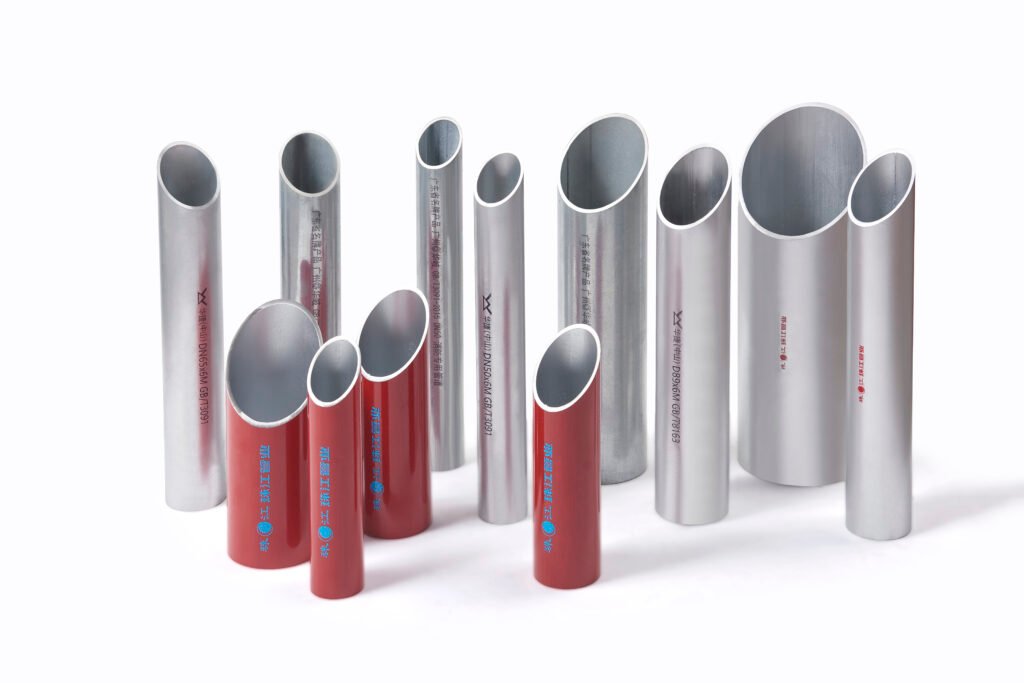
Do not assign different lifetimes, corrosion grades or pressure ratings to “GI” and “galvanized” solely because the labels differ. If the underlying products are the same, changing the name does not change their performance.
Which pipe is better for the project?
Neither name is a quality grade. Start with the intended service and the controlling specification. For structural use, confirm the required section and material properties. For water or pressure service, confirm the pipe standard, joints and any application-specific acceptance requirements. These decisions cannot be made from the zinc finish alone.
For a fire-protection project, the responsible designer and approving authority must accept the exact pipe and connection arrangement. A galvanized or red-coated surface does not establish UL Listing, FM Approval or suitability for every sprinkler system.
How long does galvanized pipe last?
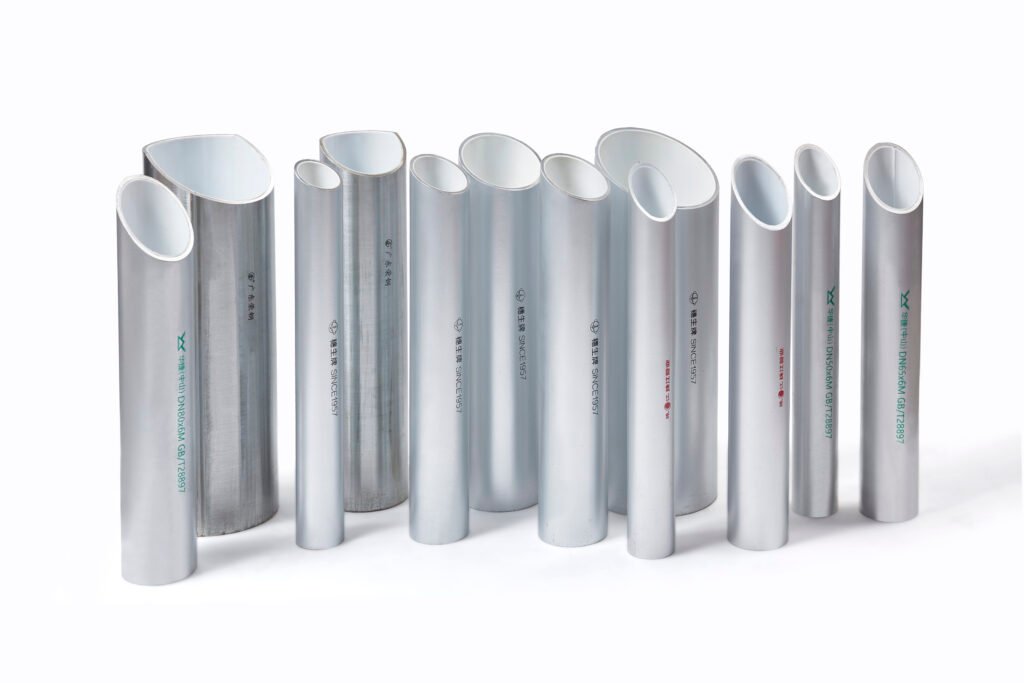
There is no universal service-life figure for all GI or galvanized pipe. Coating thickness, exposure, moisture, salts, drainage and the actual service affect corrosion. AGA’s coating and service-life guidance explains why exposure conditions matter. Do not treat a general lifetime estimate as a product warranty.
What if the specification says BS 1387?
Treat it as a legacy reference requiring clarification. BSI lists BS 1387:1985 as withdrawn. Confirm the required standard and edition, and obtain approval before substituting another standard such as BS EN 10255.
What should I send for a useful quotation?
- Intended use and applicable project standard/grade.
- Nominal designation, actual outside diameter, steel wall thickness and piece length.
- Coating process and requirement, plus any required treatment of seams or cut ends.
- End connections, quantity and packing requirements.
- Required inspection documents, listing/approval evidence and delivery terms.
See our galvanized steel pipe information for product context. Send your specification to info@canhopesteel.com and ask the quotation to identify the exact offered product and any deviations.