
Steel sprinkler pipe carries water through a fire-protection piping system. Selecting it requires more than choosing black, galvanized or red-coated pipe: the specified pipe standard, dimensions, joining method and required product approvals must fit the approved system design.
This guide focuses on steel-pipe procurement. It is not a sprinkler design, hydraulic calculation or recommendation that a particular finish is suitable for every wet, dry or preaction system.
In this guide
- 1. Pipe types and finishes
- 2. Standards versus approvals
- 3. Six selection checks
- 4. Documents and delivery
- 5. Common questions
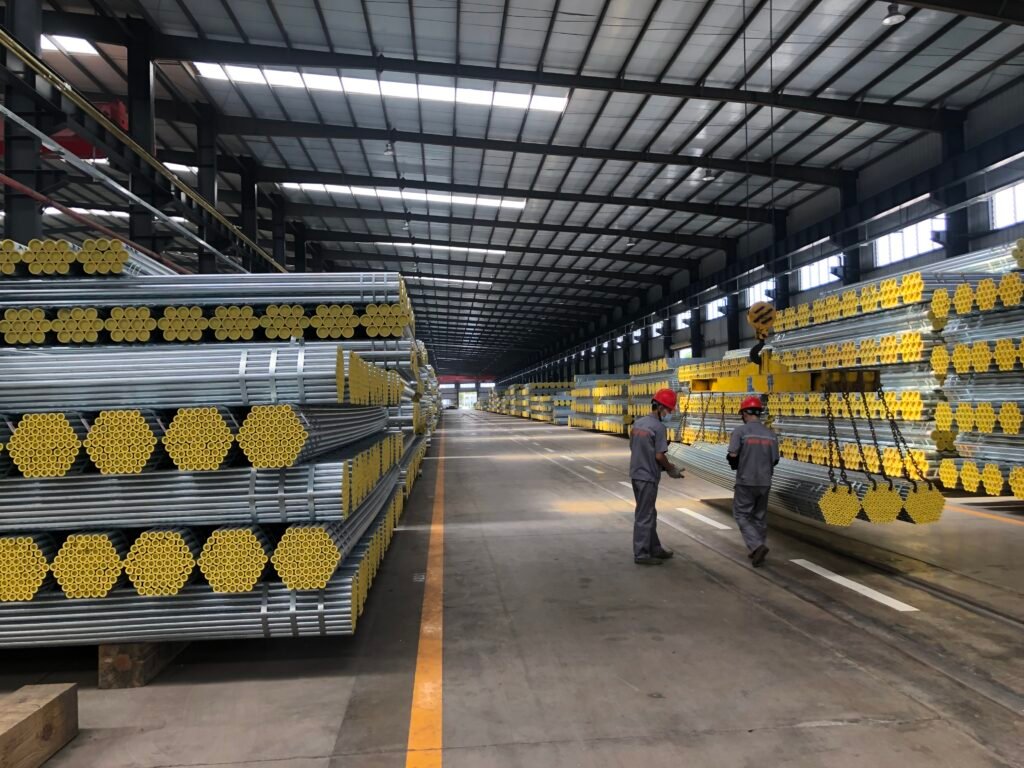
1. Black, galvanized and coated steel pipe
These descriptions concern surface condition or coating; they do not replace a material specification. Steel pipe of the same apparent finish can differ in manufacturing route, grade, wall thickness and permitted connections.
| Description | What it tells you | What still needs checking |
|---|---|---|
| Black steel pipe | It is not hot-dip zinc-coated. | Pipe standard/grade, dimensions, any other finish, service and corrosion-control requirements. |
| Galvanized steel pipe | A zinc coating is specified or claimed. | Galvanizing process, coating evidence, internal/external condition and acceptance for the actual system. |
| Painted or epoxy-coated steel pipe | A paint/coating system is applied to the specified surface. | Exact coating type, which surfaces are coated, thickness, repair procedure and compatibility with the service and joints. |
A red exterior does not establish that the inside is epoxy-lined, that the product is listed, or that it is suitable for a particular pressure. Likewise, galvanizing is not a universal answer to internal corrosion. Have the responsible designer assess the actual water, operating conditions and system type.
Our galvanized steel pipe page gives product context. Confirm the exact proposed pipe and supporting documents for the project rather than relying on a generic range description.
2. Pipe standards and product approvals are different
| Reference | What the reference covers | Procurement implication |
|---|---|---|
| ASTM A795/A795M | Steel pipe intended for fire-protection use, including specified black and galvanized products. | Confirm the required edition, dimensions, pipe type, joining method and conformity evidence. |
| ASTM A53/A53M | Welded and seamless steel pipe for a broader range of mechanical and pressure applications. | The standard name alone does not settle acceptance in a particular sprinkler design. |
| BS EN 10255 | Non-alloy steel tubes suitable for welding and threading. | Do not treat it as an automatic substitute for a specified fire-protection pipe or approval. |
| BS 1387:1985 | A withdrawn legacy British tube specification. | Resolve legacy references with the purchaser/designer before agreeing a current alternative. |
| UL Listing / FM Approval | Product-specific certification/approval, where required by the project. | Check the exact manufacturer, product/model, sizes, limitations and current record. |
Read the official scope of ASTM A795/A795M and ASTM A53/A53M rather than treating all steel-pipe standards as equivalent. BSI’s EN 10255 record identifies the replacement of BS 1387. These standard references do not claim that CanHope’s entire pipe range conforms to them.
UL’s sprinkler-pipe and fittings service separately describes evaluation of these products. In procurement terms, a material standard, a test certificate and a product listing answer different questions. Check the evidence actually required by the approved specification.
3. Six checks before selecting a pipe
- Design basis: identify the applicable project code, approving authority and wet, dry, preaction or other specified service.
- Dimensions: confirm nominal size, actual OD, wall thickness/schedule, length and permitted tolerances.
- Performance: obtain the designer’s pressure and temperature requirements; check the exact pipe and connection documentation.
- Joining: specify threaded, roll-grooved, cut-grooved, welded or other permitted ends. Not every preparation is suitable for every wall thickness.
- Corrosion and coating: identify the internal/external requirements, operating environment and any fluid additives.
- Approval and traceability: match the offered manufacturer and product identification to the required certificates, listing/approval records and supplied batch documents.
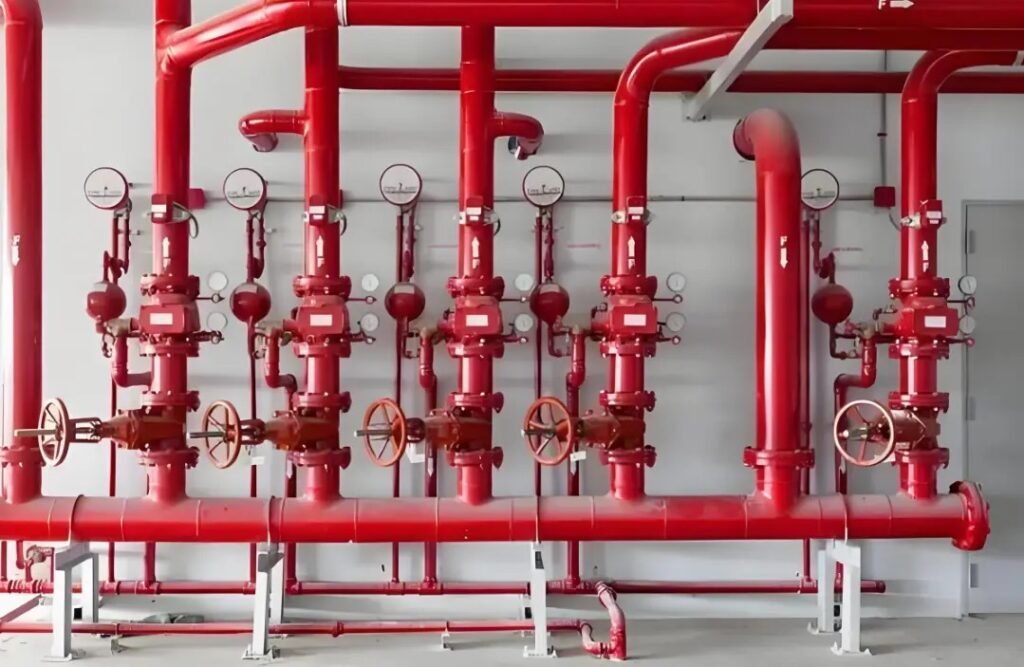
A thinner wall, different coating or alternative pipe standard may change the suitability of the joint and the project acceptance. Obtain approval for a material substitution before ordering, not after goods arrive.
4. Documents, packing and delivery
Request an itemized quotation showing the exact manufacturer/product, specification, dimensions, finish, ends, quantity and any deviations. Agree inspection documents, identification/marking and acceptance checks before production. A hydrostatic-test record, where required, is not the same as a working-pressure rating for the installed system.
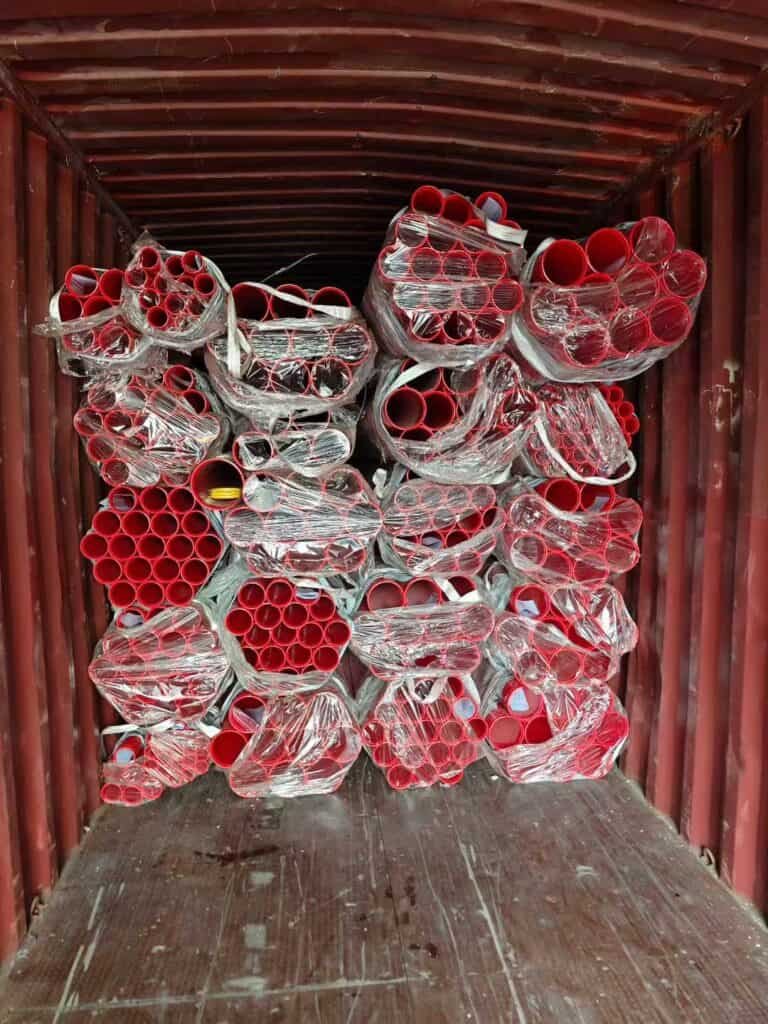
Keep pipe, couplings, gaskets and other fittings coordinated in the BOQ. Some fittings can be offered with UL Listing and/or FM Approval for specific manufacturers, models and sizes; this does not establish the approval of every pipe or valve in a combined shipment.
For preliminary material planning, the Steel Tools Center can assist with theoretical pipe weight. Final weights, packing and transport arrangements need order-specific confirmation.
5. Common questions
Is galvanized pipe always the best sprinkler choice?
No. Use the pipe and corrosion-control approach selected for the actual system and permitted by its design requirements. Finish alone cannot decide suitability or service life.
Does a red coating mean the pipe is certified?
No. Colour identifies neither certification nor a universal pressure rating. Request product-specific evidence where the specification requires it.
Can pipe length and ends be changed?
Include the required dimensions and end preparation in the enquiry. Confirm manufacturing availability, dimensional limits and connection compatibility before accepting a custom option.
Send the approved pipe schedule, quantities, connection details and required documentation to info@canhopesteel.com for an order-specific enquiry.