
Galvanized Steel Electrical Conduit Pipe
Threadless galvanized steel conduit system with set-screw fittings for faster installation and reliable electrical wiring protection.
16–50 mm
Size Range
Multiple Wall
Thicknesses
Z40 ~ Z275
Options
Conduit Pipes
Fittings Supply
Galvanized Steel Conduit for Electrical Wiring Protection
Our galvanized steel conduit pipes are designed to route and protect electrical wires and cables in commercial buildings, industrial facilities and MEP installation projects.
Also commonly known as GI conduit pipe in many markets, the conduit system uses threadless set-screw couplings and connectors. No pipe threading is required, helping simplify installation and reduce on-site labor.
Different wall thicknesses and zinc coating options can be selected according to the installation environment, project drawings and procurement requirements.
No Threading Required
Connect conduit pipes without pipe threading.
Faster Installation
Set-screw fittings help reduce installation time and labor.
Strong Mechanical Protection
Steel construction provides reliable protection for electrical wiring.
Complete Accessories
Pipes, fittings, boxes, saddles and bending tools are available together.
Product Range
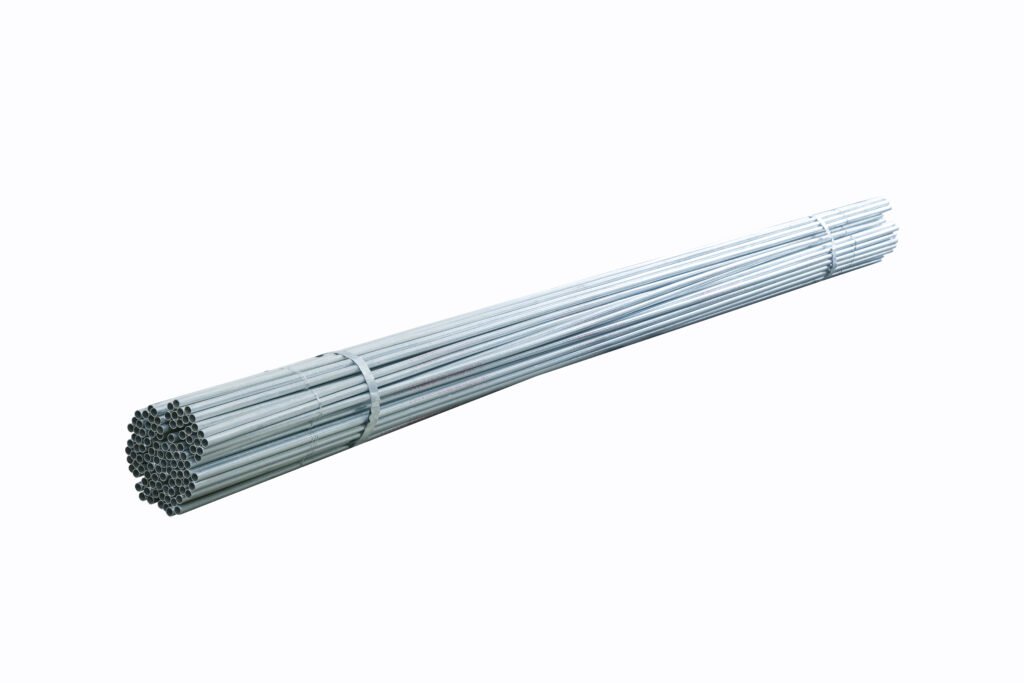
GI Conduit Pipe
Galvanized steel electrical conduit in 16–50 mm sizes, with different wall thicknesses and zinc coatings.
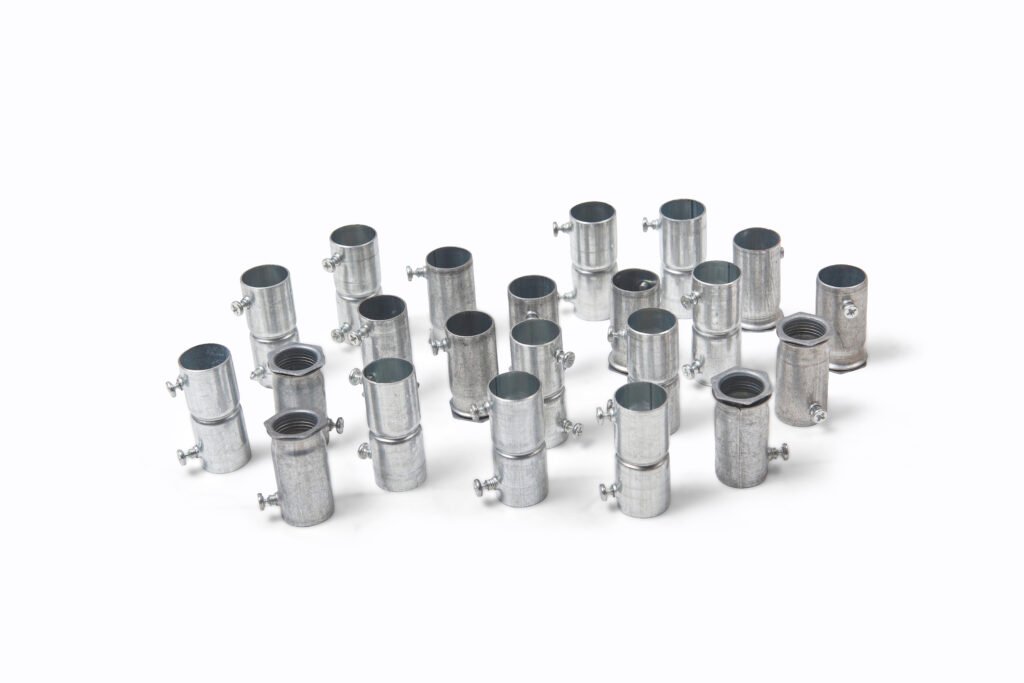
Set-Screw Couplings
Connect two conduit pipes without threading or complicated site processing.
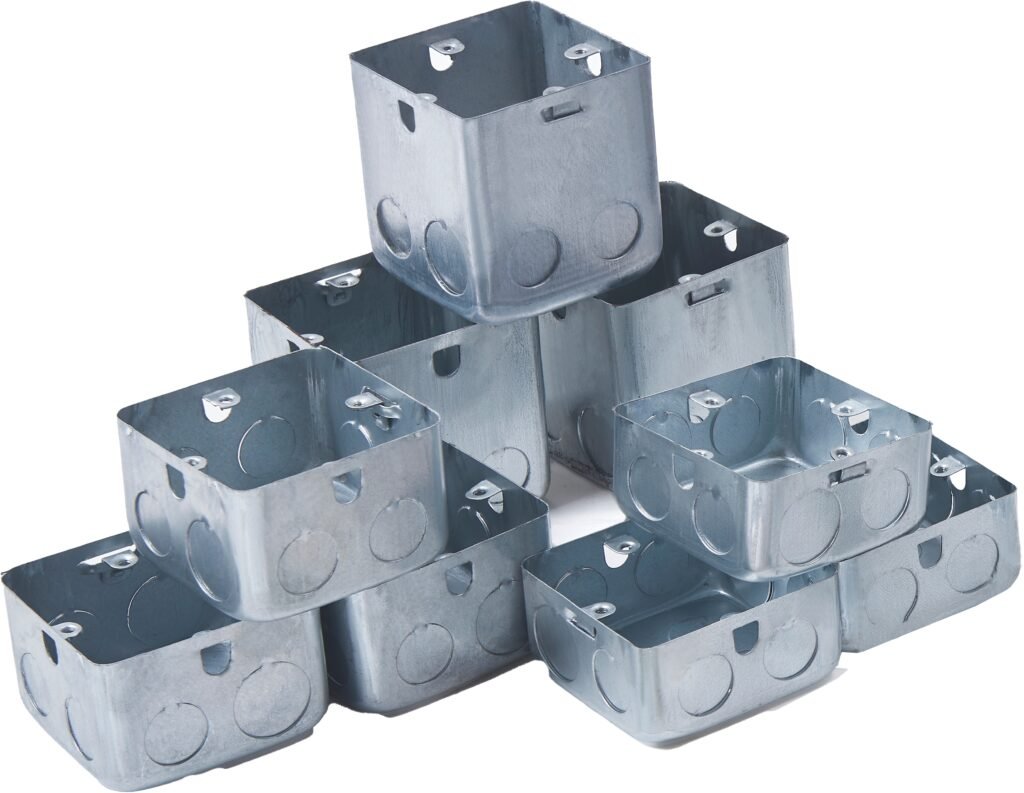
Junction Boxes
Galvanized steel boxes for electrical wire connections and branch circuits.
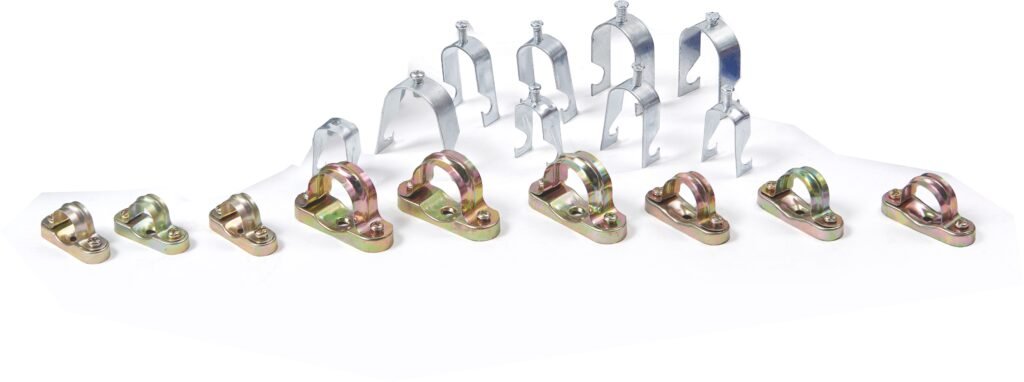
Saddles and Supports
Conduit saddles and spacer saddles for wall and ceiling installation.
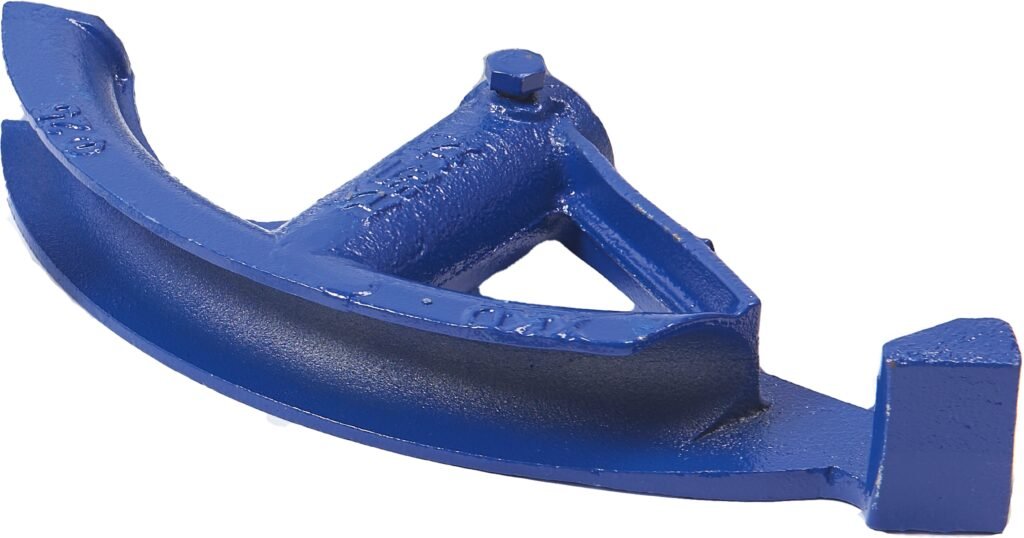
Conduit Bending Tools
Manual conduit benders for on-site electrical conduit installation.
Wall Thickness and Zinc Coating Options
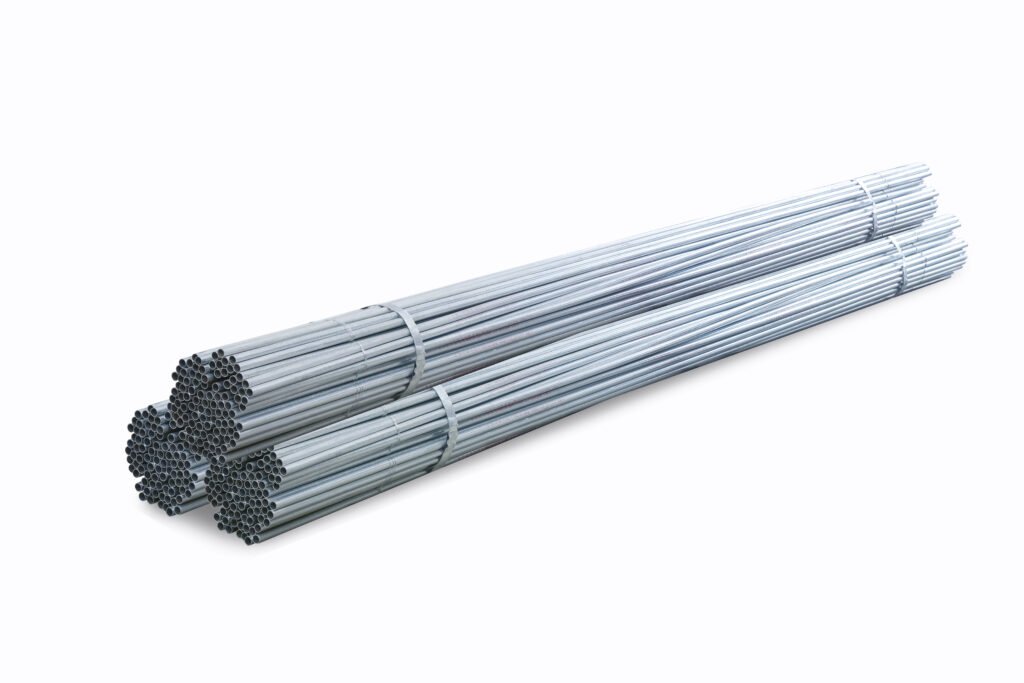
Economical Option for Concealed Installation
Wall thickness: approximately 1.0 mm, 1.2 mm or customized
Standard galvanized steel material
Suitable for dry indoor and concealed installations
Cost-effective option for project procurement
Higher Zinc Coating for Exposed Installation
Z275 galvanized steel material
Higher zinc coating for improved surface protection
For exposed or humid locations, confirm the complete conduit and fitting assembly against the project requirements; the coating designation alone does not establish suitability.
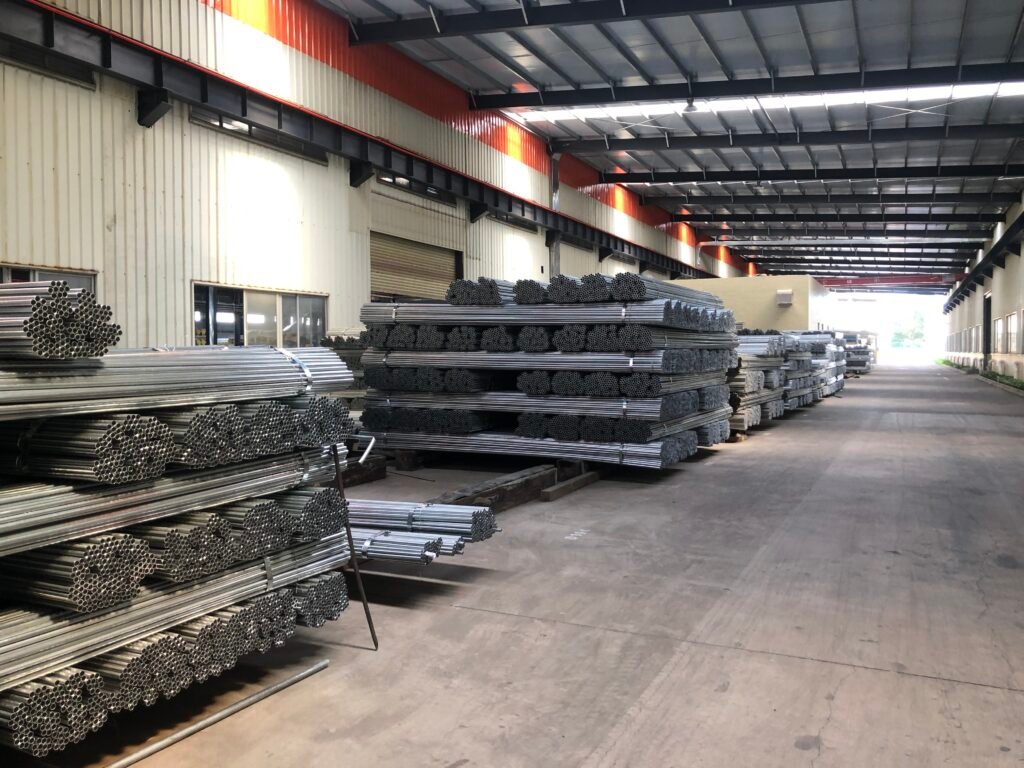
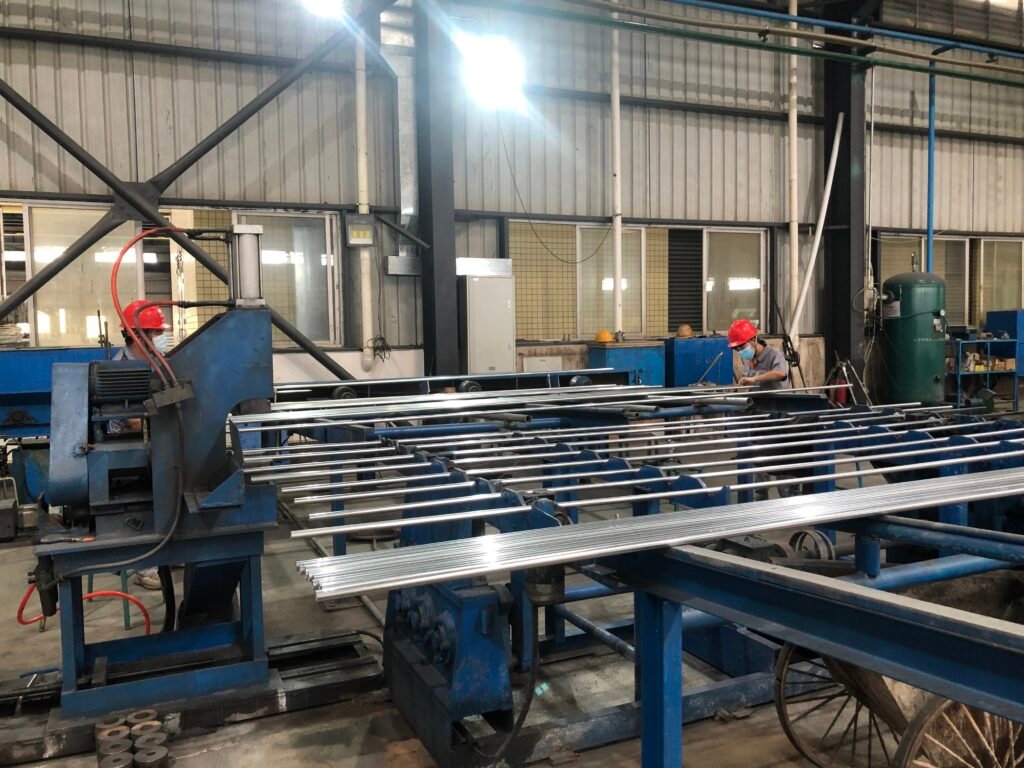
Available with different wall thicknesses
Electrical Conduit Pipe Sizes and Wall Thickness
| Outside Diameter | CanHope Wall Thickness | Customized Thickness | Connection |
|---|---|---|---|
| 16 mm | 1.5 ± 0.15 mm | Available upon request | Set screw |
| 20 mm | 1.5 ± 0.15 mm | 1.0 / 1.2 mm available | Set screw |
| 25 mm | 1.6 ± 0.15 mm | 1.0 / 1.2 mm available | Set screw |
| 32 mm | 1.6 ± 0.15 mm | Available upon request | Set screw |
| 40 mm | 1.6 ± 0.15 mm | Available upon request | Set screw |
| 50 mm | 1.9 ± 0.18 mm | Available upon request | Set screw |
This is the CanHope company size table for the threadless set-screw conduit system shown. The listed dimensions and wall thicknesses do not by themselves establish compliance with a particular electrical conduit standard or destination-market approval. Confirm the required standard, size, length, coating, compatible fittings and quantity with your quotation.
GI Conduit Pipe vs PVC Conduit
| Comparison | GI Steel Conduit GI | PVC Conduit PVC |
|---|---|---|
| Mechanical Protection | Stronger protection against impact and pressure | Suitable for general wiring protection |
| Installation | Set-screw fittings, no threading required | Cutting and adhesive connection |
| Material Strength | Steel construction | Lightweight plastic construction |
| Corrosion Performance | Depends on zinc coating and environment | Does not rust |
| Grounding Continuity | May provide electrical continuity when correctly installed | Non-conductive |
| Cost | Higher material cost | Usually more economical |
| Typical Applications | Commercial, industrial and higher-protection projects | Residential and general concealed installations |
PVC conduit is lightweight, economical and corrosion resistant, while GI steel conduit provides stronger mechanical protection. The appropriate option depends on the project specification, installation environment and local electrical code.
Applications
Commercial Buildings
Industrial Workshops
Factories and Warehouses
MEP Installation Projects
Fire Alarm and Low-Voltage Systems
Concealed Installations
Exposed Installations
Equipment Rooms and Utility Areas
Project Supply Advantages
Flexible Specifications
Different diameters, wall thicknesses, lengths and zinc coatings are available according to project requirements.
Complete Accessories
Conduit pipes, set-screw couplings, connectors, boxes, saddles, bushes and bending tools can be supplied together.
Project and Bulk Supply
Quotations can be prepared according to drawings, bills of quantities and technical specifications.
Frequently Asked Questions
1. What is galvanized steel electrical conduit?
Galvanized steel electrical conduit is a metal pipe used to route and protect electrical wires and cables in building, commercial and industrial electrical installations. The galvanized coating helps protect the steel surface, while the steel pipe provides stronger mechanical protection than many plastic conduit options.
2. Is galvanized steel conduit the same as GI conduit pipe?
GI conduit pipe is a common market name for galvanized steel electrical conduit. However, sizes, wall thicknesses, connection methods and technical requirements may vary between countries and projects. Buyers should confirm the required specifications before ordering.
3. Does your GI conduit pipe require threading?
No. Our main GI conduit system uses threadless set-screw couplings and connectors. The conduit pipe is inserted into the fitting and secured with screws, so pipe threading is not required during installation.
4. What sizes of electrical conduit pipe are available?
Common outside diameters include 16 mm, 20 mm, 25 mm, 32 mm, 40 mm and 50 mm. Other dimensions may be discussed according to the project requirements, order quantity and target market.
5. Can you supply 1.0 mm or 1.2 mm wall thickness?
Yes. Customized wall thicknesses such as approximately 1.0 mm and 1.2 mm can be supplied for suitable applications. Standard options also include approximately 1.5 mm, 1.6 mm and 2.0 mm, depending on the conduit diameter.
The final wall thickness should be selected according to the project specification, mechanical protection requirement and local installation rules.
6. What is the difference between Z40 and Z275 galvanized conduit?
Z40 is a more economical zinc coating option and is generally considered for dry indoor or concealed installations where the project specification permits it.
Z275 has a higher zinc coating and provides better surface corrosion protection. It may be more suitable for exposed, humid or higher-requirement installations.
The correct zinc coating should be selected according to the installation environment and project requirements.
7. Can galvanized steel conduit be used for concealed and exposed installations?
Yes. Galvanized steel conduit can be supplied for both concealed and exposed electrical installations.
For concealed installation in dry indoor environments, economical wall thickness and zinc coating options may be considered. For exposed or more humid environments, a higher zinc coating and suitable wall thickness are recommended.
8. Can you supply electrical conduit fittings and accessories together?
Yes. We can supply a complete electrical conduit system, including:
- Set-screw couplings
- Conduit connectors
- Conduit bushes
- Galvanized junction boxes
- Conduit saddles
- Spacer saddles
- Supports and clamps
- Manual conduit bending tools
Please send us your project list or bill of quantities so that we can match the required pipes and fittings.
9. What information is required for a quotation?
To prepare an accurate quotation, please provide:
- Conduit outside diameter
- Wall thickness
- Zinc coating requirement
- Pipe length
- Required fittings and accessories
- Order quantity
- Project country or destination port
- Applicable standard or project specification
Project drawings, technical specifications and bills of quantities are also helpful.
Need Fire Protection Materials for Your Project?
contact us
Find us Here
- Shunde Foshan
- Guangdong, China
Training Hours
- Mon- Fri: 8am- 8pm
- Saturday: 9am-6pm