
Cable Tray Systems for Project Procurement
Types of Cable Trays We Offer

The photovoltaic cable tray family includes channel, tray and ladder profiles. The source designs show press-fit covers and rotating-lock arrangements; confirm the exact cover and locking detail for the proposed model.
Specify the material, finish, cable load and required support spacing. Load capacity, outdoor wind exposure, enclosure performance and any special span must be assessed for the actual tray and support arrangement.
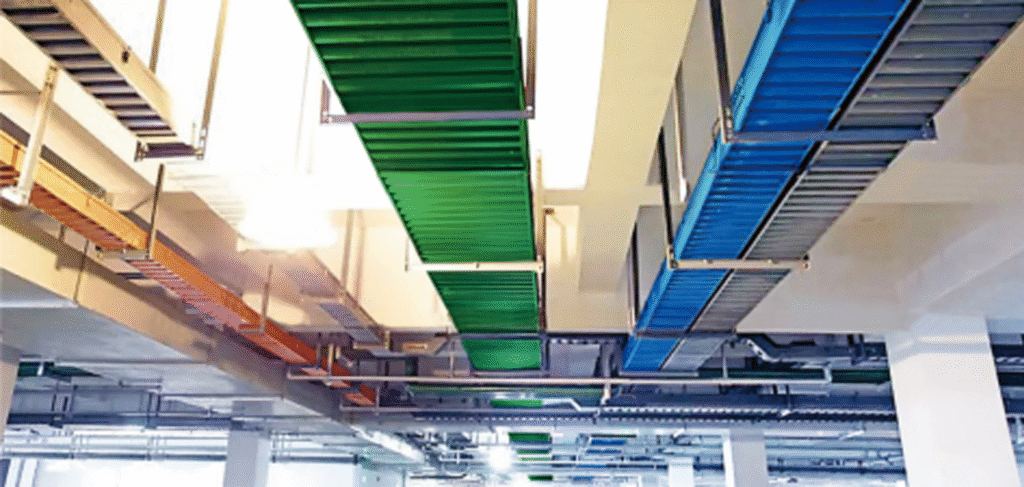


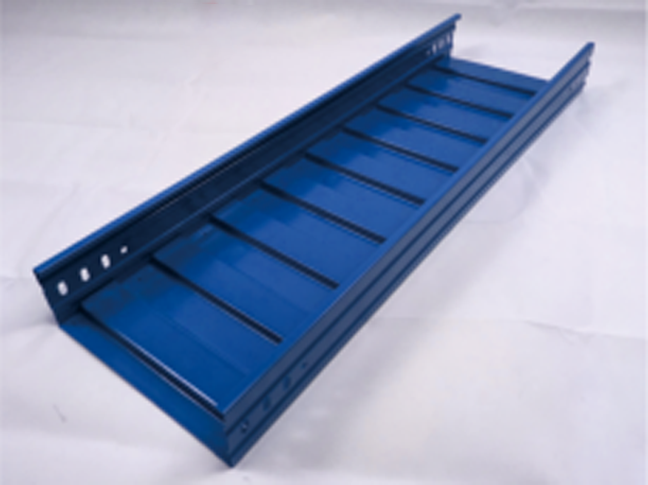
The lightweight cable tray family uses profiles such as corrugated bases and reinforced stamped bottoms. Compare the proposed section, material thickness and tested load performance against your project requirements.
Energy savings, cable-temperature effects and reduced power loss should not be assumed from the tray shape alone.
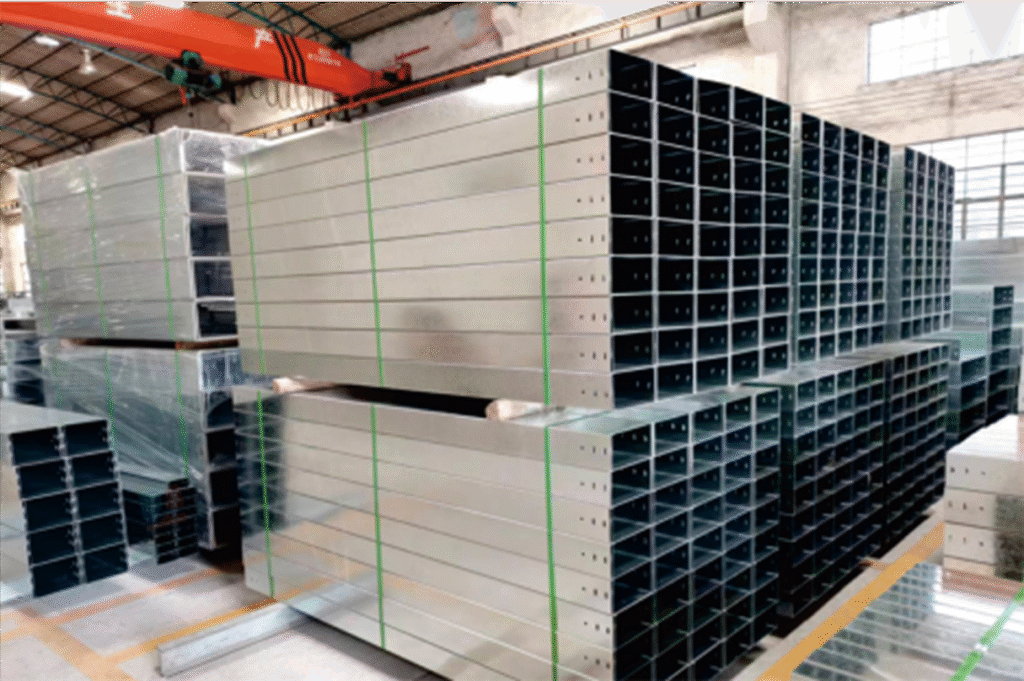
Ladder-type and tray-type cable trays may be specified with covers. Include the cover model and quantity in the enquiry. Confirm that fittings, covers and accessories are compatible with the exact tray family and dimensions.
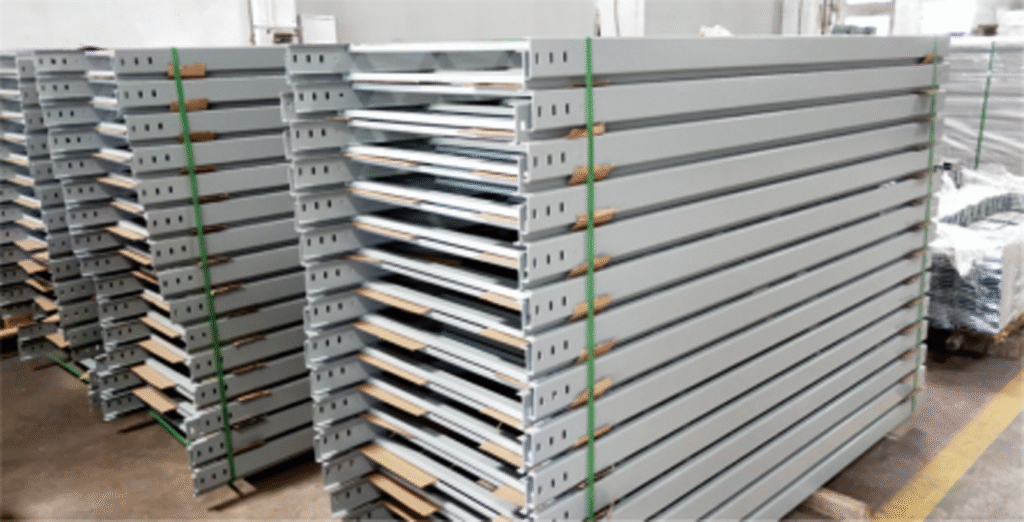
CH-T-type Ladder Cable Tray
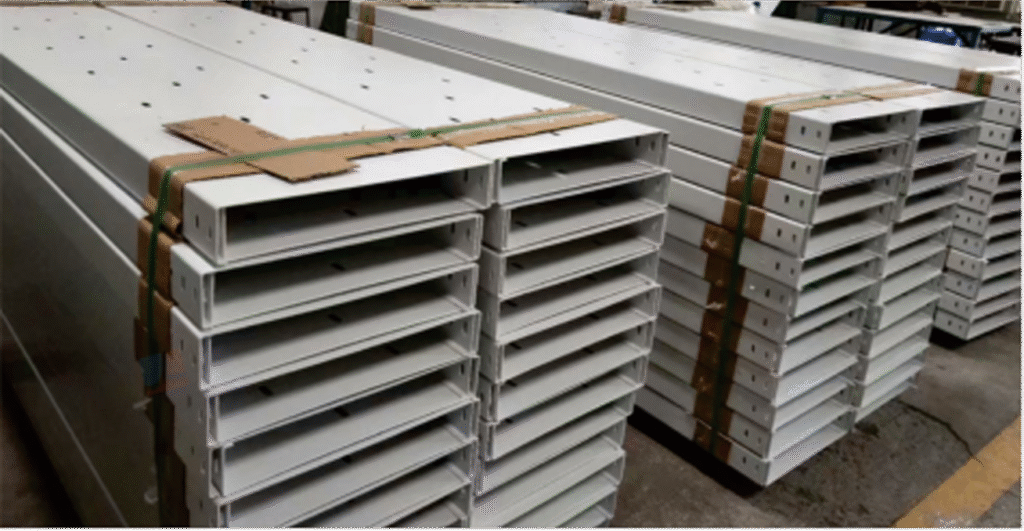
CH-P-type Pallet Cable Tray
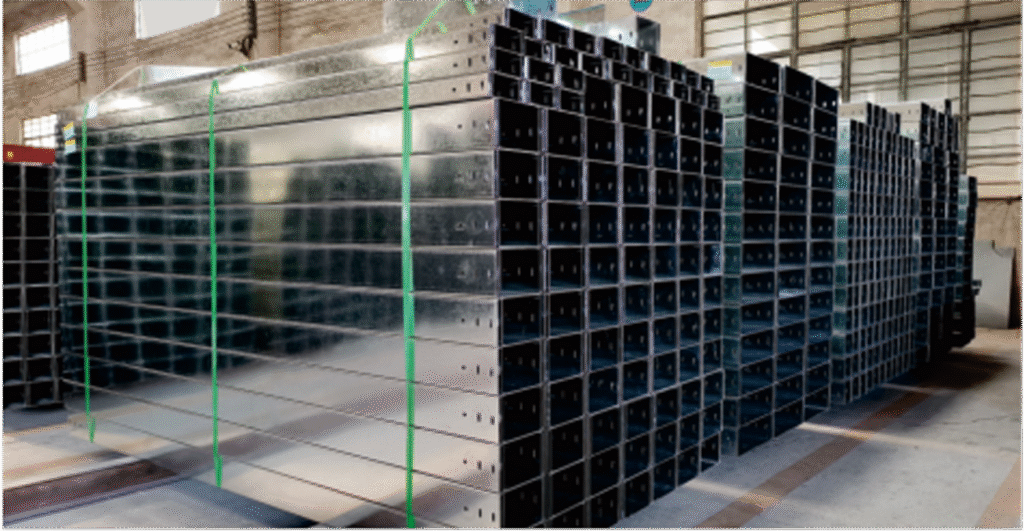
C-Type Trough Cable Tray

Large-span cable trays are considered where the route requires wider support spacing. Confirm the proposed section, material, loading and deflection limits against the intended span.
For industrial, overhead or underground routes, review the installation environment, supports and project specification before selecting a configuration.
Aluminum-alloy cable trays are an option where the project calls for an aluminum tray system. Confirm the alloy, finish, dimensions and support arrangement in the proposal.
State the required product standard and edition. Corrosion exposure, temperature, maintenance needs and any test documentation must be reviewed for the actual model; an older standard reference is not evidence of current product approval.
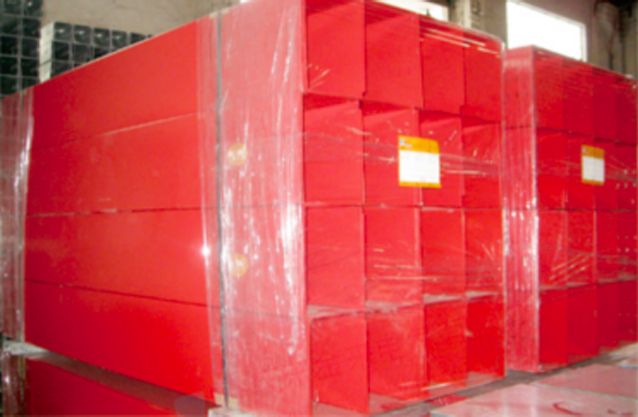
FQJ&WBJ SERIES CABLE TRAY
The FQJ and WBJ cable tray families are listed for enquiries with fire-performance requirements. State the required test method, fire-performance criteria and installation arrangement.
Any test report must match the proposed tray dimensions, material, finish and support configuration. The family name alone does not establish fire resistance or project approval.
CH-ARC-SHAPED STEEL CABLE TRAY
The CH arc-shaped steel cable tray uses a curved profile. Confirm the dimensions, material, finish and installation detail against the project drawings.
If a NEMA or other product standard is specified, request documents for the exact proposed model and edition rather than treating the profile name as evidence of compliance.
Choose the Tray Around the Installation
Explore steel, photovoltaic, lightweight, large-span, aluminum-alloy and fire-resistant cable tray families. Start with the route layout and installation conditions, then confirm the tray profile, material, finish, supports and accessories as one system.
- Route and cable arrangement: required tray width, depth, bends, branches and covers.
- Mechanical requirements: cable load, support spacing and any project deflection limit.
- Site exposure: indoor or outdoor installation, moisture, coastal exposure or other corrosive conditions.
- Documentation: the exact product standard, test report and project approval requirements.
Advanced Manufacturing Equipment

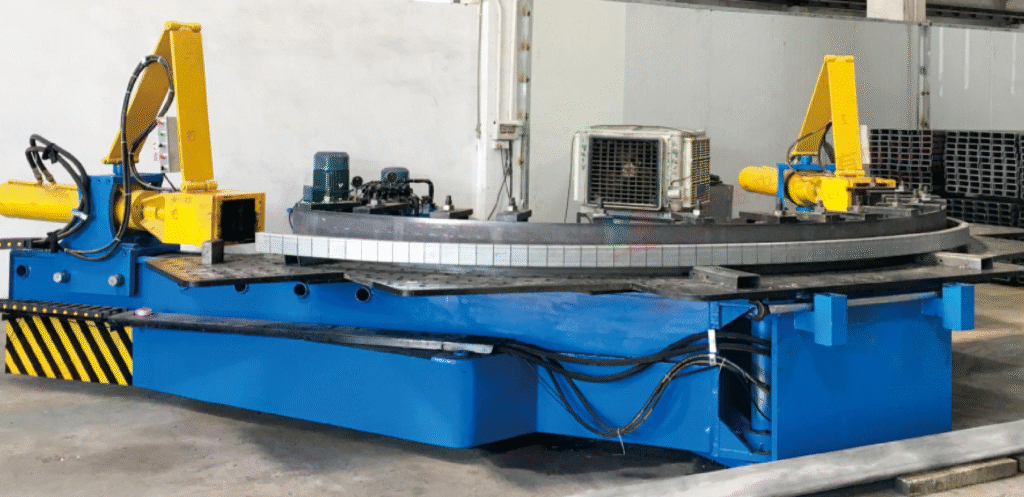
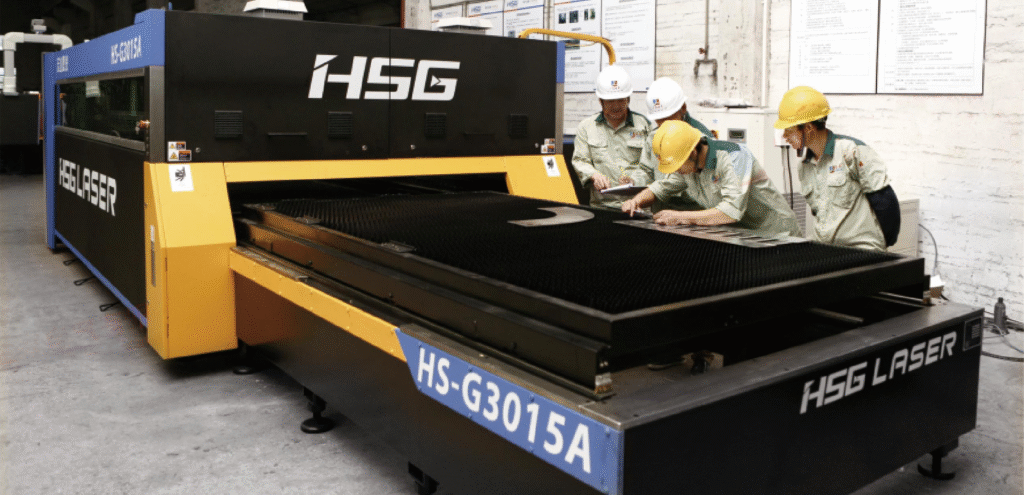
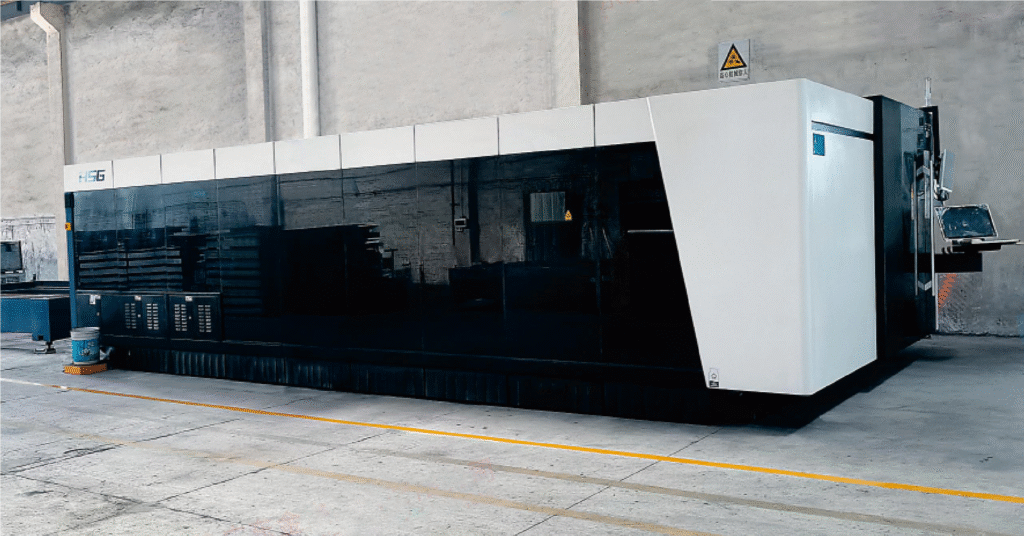
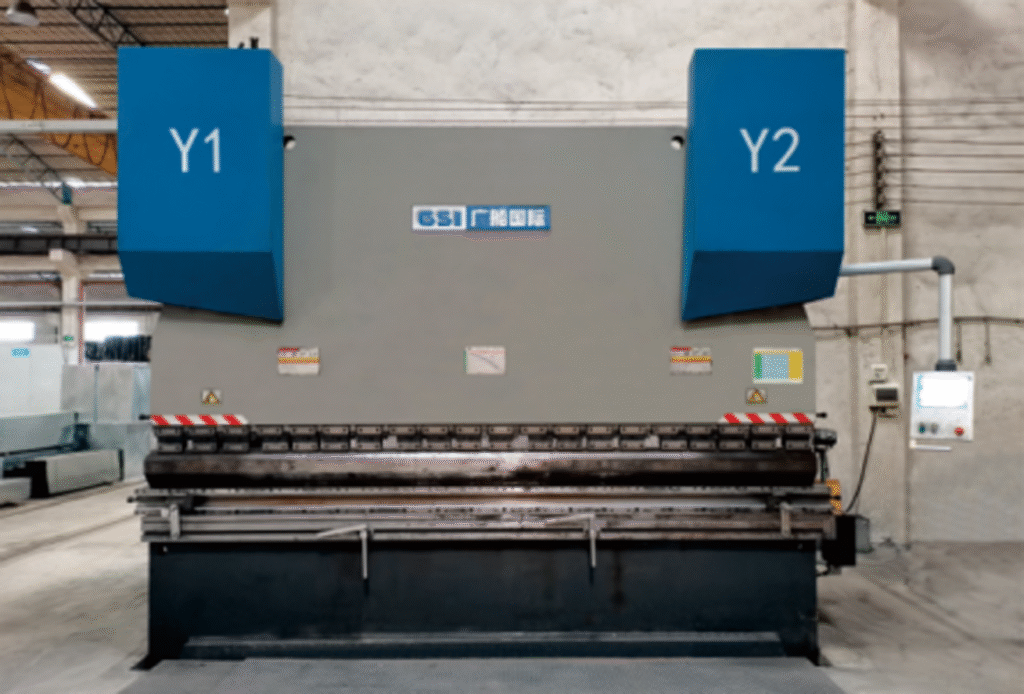
The equipment images show cutting, bending and welding operations. Confirm the processing steps and inspection documents applicable to the proposed cable tray order.
Product Documents and Test Reports





Ask for documents covering the proposed model, material, finish and support arrangement. Company management-system certificates and individual product test reports serve different purposes; neither should be assumed to cover every tray configuration.